Spring Garden Tips: A Comprehensive Guide

Spring Garden Tips: A Comprehensive Guide

Spring Garden  Preparation: The Complete Guide
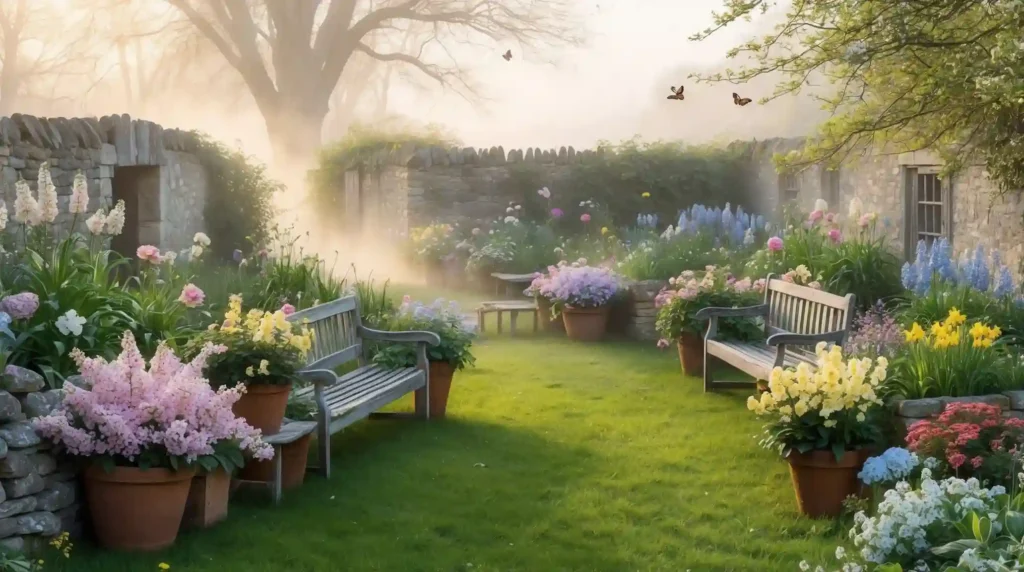
springtime in English country garden

After a long winter, spring is finally here - time to start prepping your garden for a productive growing season. Proper planning and preparation will ensure your garden thrives all season long. This comprehensive guide covers everything you need to know to get your spring garden off to a great start.  Here are some spring garden tips:

Clean Up Garden Beds

Remove any dead plants, leaves, weeds or other debris. This prevents diseases and pests from overwintering in the garden. Carefully loosen compacted soil with a spading fork and remove any rocks or weeds as you work.

Test and Amend Soil

Use a soil testing kit to determine your soil's pH and nutrient levels. This helps identify any deficiencies to address. Work in 2-4 inches of compost or other organic material like well-rotted manure to improve drainage and nourish plants.

Shop for seeds and seedlings

Make a list of desired plants and vegetables and shop early for the best selection. Look for varieties suitable for your zone. Good options for spring include lettuce, radishes, peas, broccoli, cabbage, and cauliflower.

lettuce, radishes, peas, broccoli, cabbage, and cauliflower.

Prepare Planting Beds

Define planting beds and sow seeds or transplant seedlings according to packet directions. Space plants appropriately and use trellises or cages for vining crops. Cover beds with plastic sheets or floating row covers to retain warmth.

Water & Fertilise

Water new plants daily until established; then 1-2 inches per week. Use organic fertilizers like fish emulsion and compost tea to feed plants. Avoid over-fertilizing, which can damage plants.

Control Weeds & Pests

Mulch beds to prevent weeds. Handpick insects and use organic sprays like neem oil for infestations. Remove diseased plants immediately to prevent spreading. Monitor for problems weekly.

Practice Companion Planting

Strategically plant compatible vegetables together to improve growth. For example, plant carrots near tomatoes to repel insect pests.

Add Spring Flowers

Embellish your garden with cheery spring bulbs like tulips, daffodils, hyacinths and alliums. Prepare new flower beds by mixing in compost.

Follow these spring garden tips and you'll be rewarded with a thriving, lush landscape all season long. Let your creativity bloom!

For sourcing your seeds you can get highly rated examples like these below:

Conclusion

Preparing your garden for spring requires some planning and preparation, but the results are well worth the effort. By following these tips, you can create a beautiful and productive garden that will provide you with fresh produce and a colourful landscape throughout the season.

Garden Centres

When you are planning what to do in your garden, it's important to be prepared. You may need tools, new seeds or bulbs, or you may want to refresh your garden with some new garden furniture or a fresh layout. In this case, you will probably need to visit a local garden centre. Here are some recommended garden centres in the Littleborough area:

Gordon Riggs - Established in 1945 is one of the largest Garden Centres in the North West, enjoying over 60,000 square feet of retail space and was voted the best Garden Centre in the North, the 2nd best in the UK by Which? Magazine!

Rochdale: Gordon Rigg Garden Centre, Moss Bridge Road, Kingsway (A664), Rochdale OL16 4UX. Tel: 01706 356089.

Todmorden: Gordon Rigg Garden Centre, Rochdale Road (A6033), Walsden, Todmorden, OL14 7TJ. Tel: 01706 813374.

Newbank Garden Centres - There are several Newbank Garden centres. You will find them at Royton, Dobcross, Halifax, Newton-le-Willows and Radcliffe.

Royton: Turf Lane, Royton, Oldham OL2 6JH, Tel: 01706 844 150

Dobcross: Dobcross Centre, Dobcross New Rd, Saddleworth, Oldham, OL3 5NP, Tel:01457 876571

FAQs

  1. When is the best time to start preparing my garden for spring?
    • The best time to start preparing your garden for spring is in late winter or early spring.
  2. Can I plant vegetables in early spring?
    • Yes, you can plant vegetables such as peas, lettuce, spinach, and radishes in early spring.
  3. How often should I water my plants?
    • You should water your plants deeply and regularly, especially during the dry season. Avoid overwatering as it can lead to root rot.
  4. What are some natural remedies for controlling pests and diseases?
    • Some natural remedies for controlling pests and diseases include neem oil, garlic spray, and insecticidal soap.
  5. Can I compost vegetable scraps?
    • Yes, you can compost vegetable scraps along with other organic matter to create nutrient-rich soil for your plants.
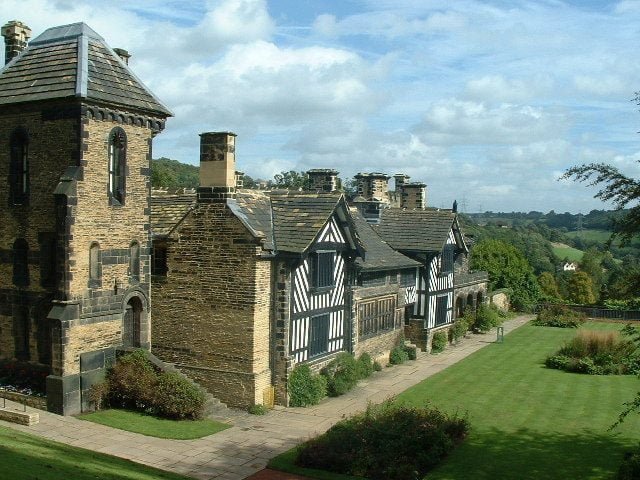
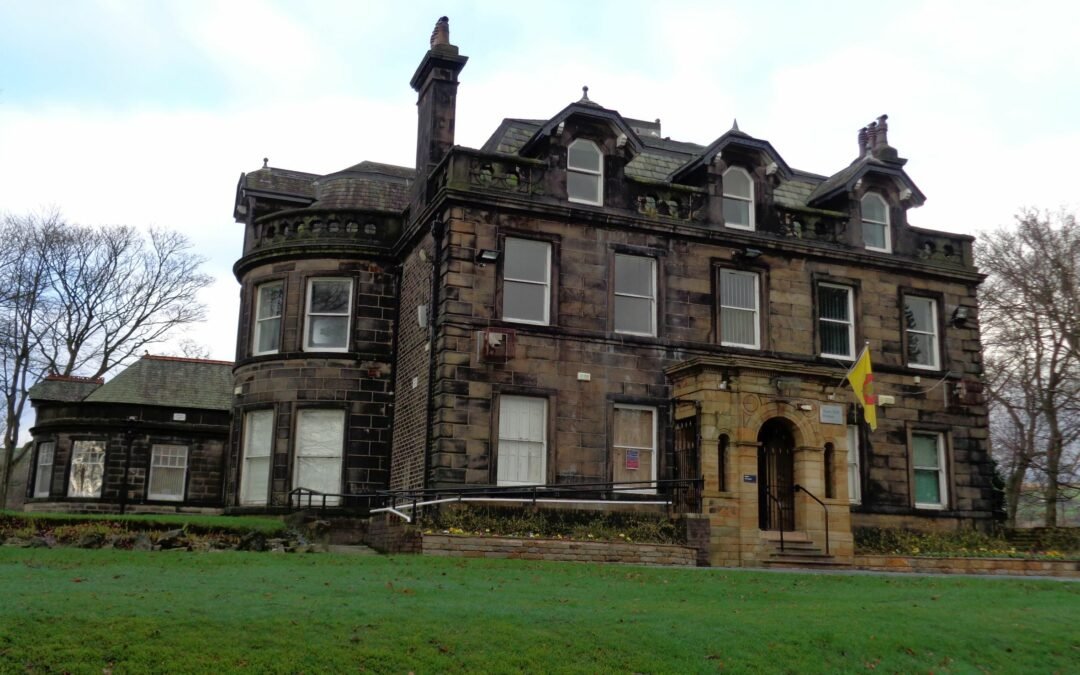
Shibden Hall: Historic Hall

Shibden Hall: Historic Hall

Discover West Yorkshire’s Captivating Hidden Gem – Visit Stunning Shibden Hall

Nestled in the heart of Halifax lies the historic Shibden Hall – an enchanting 15th-century hall that offers a peek into the past. This architectural gem blends a mix of styles that reflect its rich and varied history. Beyond the manor itself sprawls a picturesque public park perfect for a refreshing stroll or family fun.

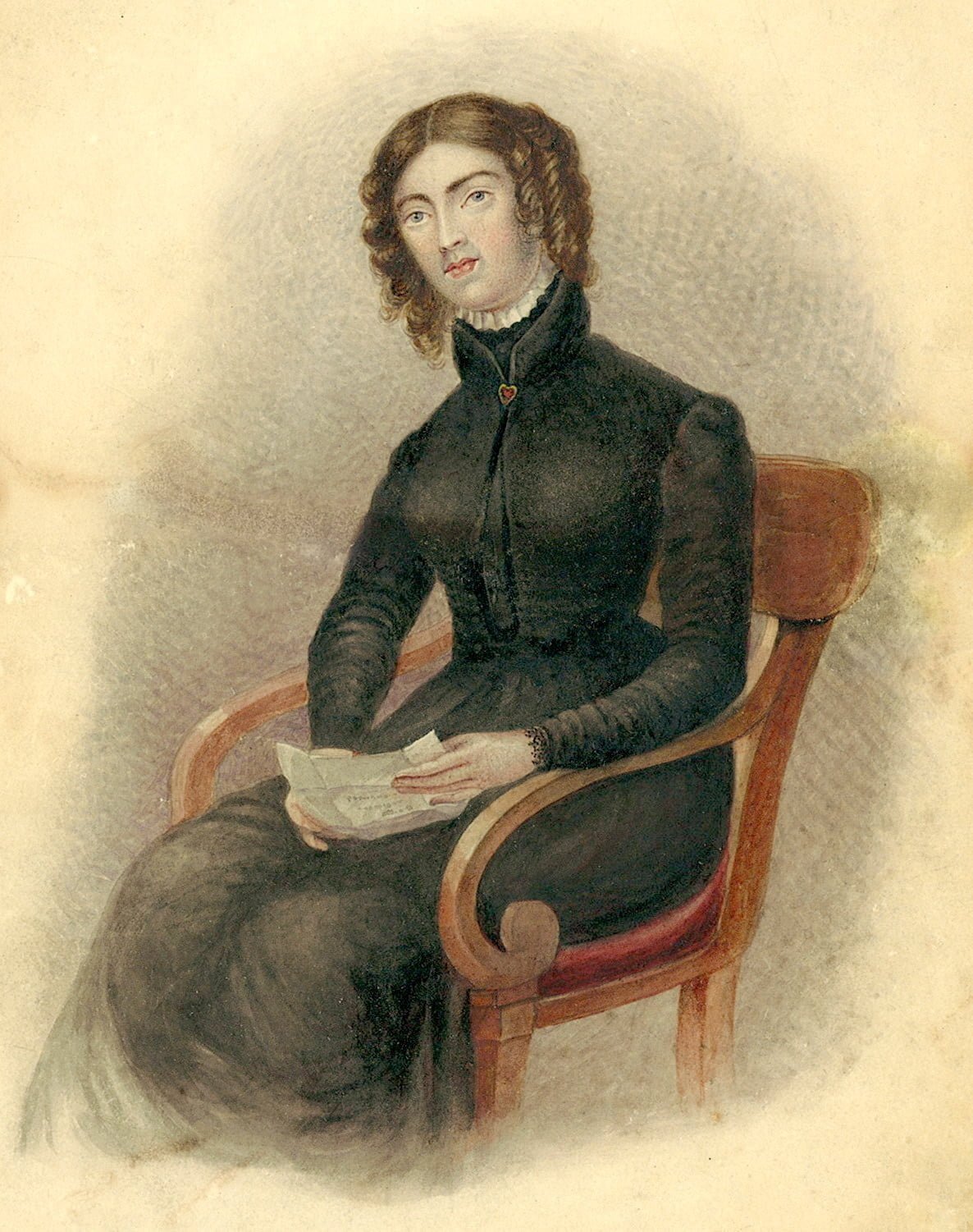
Shibden Hall was once home to prominent families like the wealthy Savilles, Waterhouses, and Listers who were cloth merchants and mill owners. However, the most famous resident was Anne Lister (1791-1840) who inherited the estate in 1826. The trailblazing Anne Lister bucked conventions – travelling widely, managing her own business affairs, and openly writing about her lesbian relationships in detailed diaries. She transformed the manor and grounds by adding a Gothic tower library and crafting terraced gardens, rock gardens, cascades, and a serene boating lake.

In 1933, the Lister family donated Shibden Hall to the Halifax Corporation to serve as a museum. Today, this remarkable museum offers an illuminating journey into the past with exhibits showcasing fine furniture, paintings, textiles, ceramics, toys, musical instruments and other belongings of former Hall residents. Visitors can immerse themselves in the life story of the captivating Anne Lister through audio tours and exhibits. Additionally, the museum hosts special events, guided tours, workshops, talks and festivals throughout the year.

Beyond the manor, the sprawling public park surroundings offer a scenic escape. Marvel at the ornate ‘Paisley shawl’ gardens from the 1850s, explore winding woodland trails, view the dry stone walling exhibition, or ride the mini steam railway. Children delight at the playground while adults can boat across the serene lake or challenge themselves at the adventure playground.

Truly, Shibden Hall is a one-of-a-kind destination offering enjoyment for all interests and ages. To plan your visit and guarantee entry, be sure to book timed tickets online in advance due to limited capacity. Check the website for opening times, special events, and directions. With its idyllic gardens and captivating history, Shibden Hall is one of West Yorkshire’s most endearing hidden gems waiting to be discovered.

Admission:

To guarantee your visit, book your timed entry to Shibden Hall. On occasion, there may be an opportunity to purchase tickets on arrival in the hall, but time slots may not be guaranteed.

Please note:

  • Please book one ticket per person. Children under 5 don’t need a ticket.
  • Please arrive within your time slot. Sadly, if you arrive outside your time slot you may not be allowed entry

Opening Times:

Mondays – Fridays: 10:00 – 17:00

Saturdays & Sundays: 11:00 – 17:00

Note: The last admission will be one hour before closing.

Cost of admission:

Family ticket is £21; Individual £8. Children under 5 go free but still need a ticket as space is limited. Concession £5. Book online via Eventbrite (fees applicable -see site).

How to get to Shibden Hall:

By Motor Vehicle:

Shibden Hall is located off the A58 (Godley Lane), just northeast of Halifax, West Yorkshire, England, HX3 6XG. If visiting by car, follow the Heritage signs (brown) and then the signs to Shibden Park. There is car parking available on Shibden Hall Road (closest to the Hall – about 10 mins walk up the hill). Disabled parking for Blue Badge holders is available close to the Hall.

Parking is pay and display:

  • £0.50 for one hour
  • £1.00 for two hours
  • £1.50 over two hours

Parking is open 9 am to 6 pm daily, except Christmas Day, Boxing Day and New Year’s Day.

By Public transport:

There are frequent buses; bus timetables are available on West Yorkshire METRO. You can also walk (20 minutes uphill) from Halifax bus station and 25 minutes from Halifax train station.

Accessibility:

Due to the historic nature of the Hall, access for those with disabilities is limited to wheelchair users to the Ground Floor only. (Shibden Hall offers free admission to all carers of individuals with disabilities.) For access advice or assistance, please contact Shibden Hall prior to your visit, staff will be happy to help.

Contact:

For more information on Shibden Hall and events celebrating the life of Anne Lister, be sure to visit the Shibden Hall website.

For many more places to visit in the area of Halifax, why not check out our other blog posts Explore The Top 10 Attractions And Activities In The South Pennines and South Pennines Landmarks: Discover the Hidden Gems

Anne Lister: Gentleman Jack

Anne Lister: Gentleman Jack

Anne Lister: Gentleman Jack

The Fascinating Life of a Scholar, Businesswoman, Landowner, Traveller, and Lesbian

Anne Lister: Gentleman Jack, was certainly a woman ahead of her time. Born in 1791, she defied societal norms and expectations to pursue her passions and live life on her own terms.

Specifically, she was a scholar, a businesswoman, a landowner, a traveller, and a lesbian. Therefore, in this article, we will delve into the fascinating life of Anne Lister, exploring her many accomplishments and shedding light on the remarkable woman she was.

Early Life and Education

Anne Lister's birth took place on April 3, 1791, in Halifax, West Yorkshire, England. Being the eldest daughter of Jeremy Lister, a prosperous landowner, and his second wife, Rebecca Battle, she displayed remarkable intellectual prowess from an early age.

Not only that, she possessed a fervent passion for reading. Initially, her education commenced at home, receiving instruction from private tutors. Conversely, as she matured, she ventured into different schools across England and Scotland, where, in due time, she demonstrated exceptional aptitude in subjects like mathematics, languages, and science.


Travels and Adventures

During her twenties, Anne embarked on extensive travels—altogether an uncommon endeavour for women in her era. She explored numerous European countries, such as Denmark, Germany, Switzerland, and France.

Furthermore, her journeys not only expanded her horizons, but also granted her a distinct worldview. Of utmost significance, she meticulously chronicled her expeditions, often employing coded language to safeguard her privacy. As a result, her journals offer captivating glimpses into her remarkable experiences.

Business Ventures and Investments

Additionally, Anne Lister possessed astute business acumen, having inherited a substantial estate from her uncle. Moreover, she surprisingly and actively engaged in estate management, making strategic investments in coal mines and various industries.

Most notably, Anne garnered recognition for her sharp business sense and adept negotiation skills. As a result, her financial expertise enabled her to accumulate a significant fortune, which she employed to finance her travels and pursue other personal interests.

Relationships and Sexuality

Anne Lister's remarkable identity encompassed her profound lesbian orientation—a groundbreaking reality in her era. Notably, she fostered numerous meaningful connections with women throughout her life, meticulously chronicled within her diaries.

Shibden Hall: Historic Hall cc-by-sa/2.0 - © Nigel Homer - geograph.org.uk/p/82597

Shibden Hall

Most notably, Anne formed a lasting bond with Ann Walker, whom she affectionately regarded as her spouse, and together they resided at Shibden Hall, Anne's ancestral abode in Halifax. Consequently, their relationship braved formidable obstacles. Given society's unwillingness to embrace their sexual orientation, resulting in substantial resistance from their families and social circles.

Personal Writing and Secret Code

Anne Lister was an avid writer, and for example, she kept detailed journals throughout her life. She likewise documented her travels, business ventures, and relationships in great detail, often using a secret code that she developed for the purpose of protecting her privacy.

Additionally, her diaries provide a unique insight into the life of a woman living in the early 19th century and offer a glimpse into the challenges she faced as a lesbian.

Legacy and Recognition

In conclusion, Anne Lister's legacy has been the subject of increased interest in recent years, and moreover, she has been recognised for her many achievements. In 2019, she was the subject of a BBC drama series, "Gentleman Jack," which brought her story to a wider audience.

Her diaries have also been the subject of numerous studies and analyses, undeniably shedding light on her life and the time in which she lived. She is therefore now widely recognised as a trailblazer for LGBTQ+ rights and, in addition, as a pioneering woman who defied societal norms and expectations.

Best Pennines activities

Best Pennines activities

Best South Pennines Activities

The Best South Pennines Activities

The South Pennines offer plenty of choice when it comes to activities. For the best Pennines activities suitable for families, why not check these out:

Here are some of the best family-friendly activities to enjoy in the South Pennines Park:

  1. Go for a hike on one of the many marked trails, such as the Pennine Way or the Calderdale Way.
  2. Take a bike ride along one of the many cycle routes, such as the Rochdale Canal Cycleway or the Calder Valley Greenway.
  3. Visit a farm, such as the Crowkeld Rare Breed Farm.
  4. Take a picnic and explore one of the many parks and nature reserves, such as Hardcastle Crags or Ogden Water Country Park.
  5. Go on a family-friendly guided walk in the heart of the Pennines or the Geology Walk.
  6. Visit a museum or cultural attraction, such as the Bronte Parsonage Museum or the Hebden Bridge Museum.
  7. Go birdwatching at a designated site, such as the RSPB Dove Stone or the Yorkshire Wildlife Trust Staveley Nature Reserve.
  8. Take a canal boat ride, such as the Pennine Explorer, or on the Pennine Boat Trips of Skipton.
  9. Go fishing at a designated site, such as the Pennine Trout Farm and Fishery.
  10. Visit a castle or historic site, such as the Bolton Castle or the Shibden Hall.

Please note that some of these activities may have age restrictions or require advanced booking, so it's always best to check ahead.

Safety First

When hiking or walking in the outdoors, particularly on the wild hills of the Pennines, it's important to take proper precautions to ensure your safety. Here are some tips to keep in mind:

  1. Check the weather forecast before you go and be prepared for changes in weather conditions. Bring appropriate clothing and gear, such as waterproofs, warm layers, and sturdy footwear.
  2. Plan your route and let someone know where you are going and when you expect to return. Stick to marked trails where possible, and carry a map and compass or GPS device.
  3. Take enough food and water with you to last the duration of your hike. Bring snacks to keep your energy levels up, and consider bringing a stove to make hot drinks or food.
  4. Be aware of wildlife and livestock in the area, and give them plenty of space. Keep your dog on a lead where necessary and follow the Countryside Code.
  5. Be mindful of the environment and take your litter home with you. Respect any signs or restrictions in the area and avoid damaging vegetation or disturbing wildlife.
  6. Carry a fully charged mobile phone with you in case of emergencies. Make sure you have the relevant emergency numbers for the area you are visiting.
  7. Consider joining a guided walk or hiking group if you are new to hiking or are unfamiliar with the area.

By following these precautions, you can help ensure a safe and enjoyable hiking or walking experience in the outdoors.

For ideas on other places to visit or things to do, why not check out our other posts such as Explore The Top 10 Attractions And Activities In The South Pennines or South Pennines Landmarks: Discover the Hidden Gems

Explore the Top 10 Attractions and Activities in the South Pennines

Explore the Top 10 Attractions and Activities in the South Pennines

Explore the Top Attractions and Activities in the South Pennines

Introduction

Discover the family-friendly activities that await you in the South Pennines, a region known for its natural beauty and cultural heritage. In this series, we’ll explore the top attractions and activities, from outdoor adventures to cultural experiences.

Hidden Gems

Discover the lesser-known treasures of the South Pennines:

Hardcastle Crags

Location: Hebden Bridge

This beautiful wooded valley offers hiking and picnicking opportunities with numerous trails and paths.

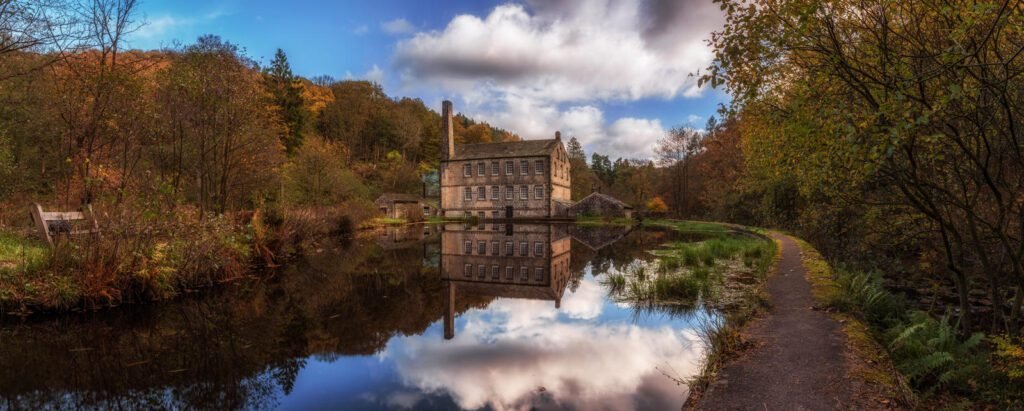
South Pennines Landmarks - Gibson Mill, Hardcastle Craggs Copyright by pusstulance. https://www.deviantart.com/pusstulance/art/Gibson-Mill-Hardcastle-Craggs-771104689

South Pennines Landmarks – Gibson Mill, Hardcastle Craggs

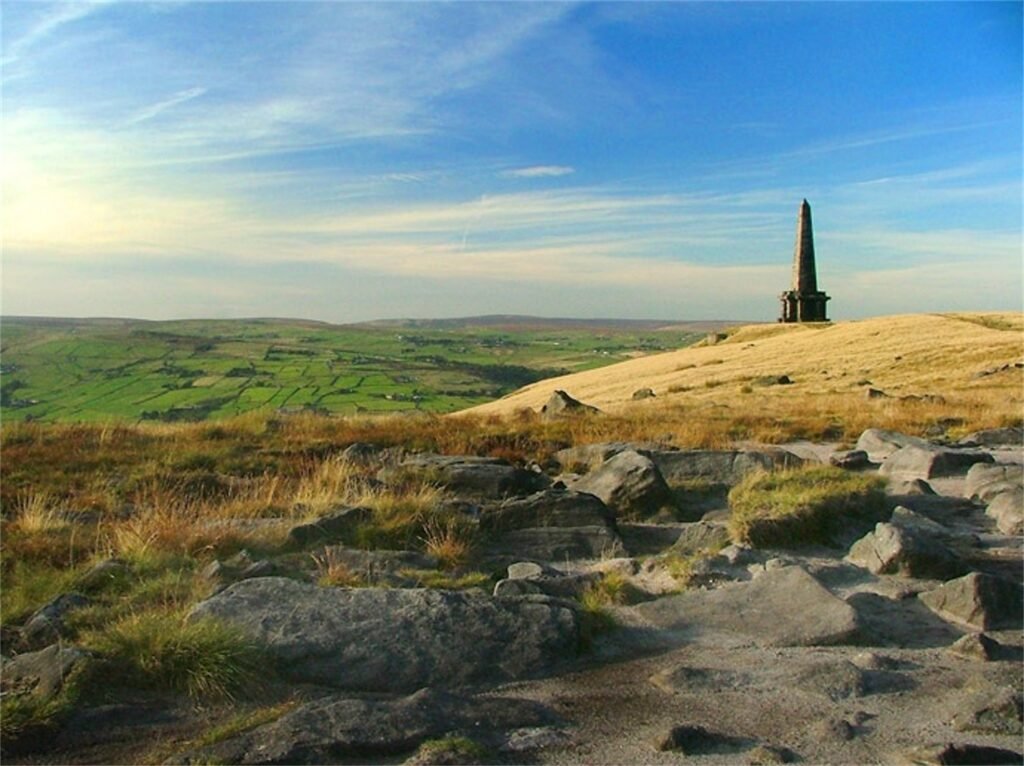
Stoodley Pike

Location: Todmorden

Climb to the top of this iconic tower for breathtaking views of the surrounding countryside.

By Loh93 at English Wikipedia - Transferred from en.wikipedia to Commons by Lukasz Lukomski using CommonsHelper., Public Domain, https://commons.wikimedia.org/w/index.php?curid=9433440. Stoodley Pike | Top 10 Things to do in the South Pennines

Gaddings Dam

Location: Near Todmorden

A secluded reservoir perfect for wild swimming, offering clear water and stunning views.

Dam wall of Gaddings Dam for SD9422 Gaddings Dam wall with

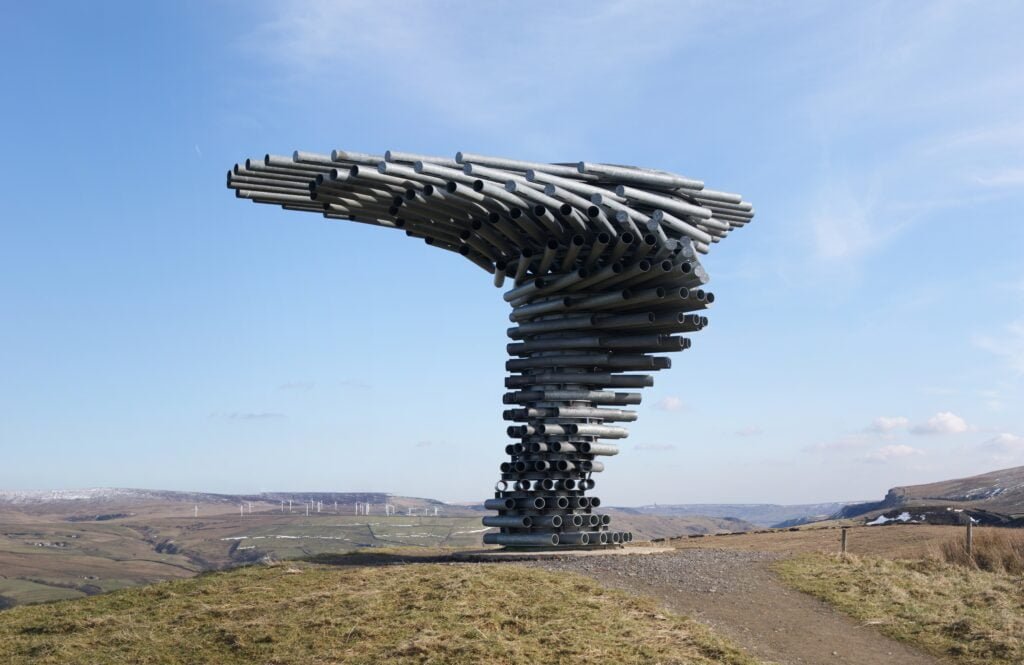
The Singing Ringing Tree

Location: Near Burnley

An unusual sculpture on a hilltop that produces a haunting sound in the wind.

- Own work, CC BY 3.0, https://commons.wikimedia.org/w/index.php?curid=9624202

Natural Attractions

  • Hills, valleys, moorlands, and rivers for hiking, walking, and water-based activities.

Cultural Attractions

  • The Piece Hall in Halifax is a vibrant cultural and commercial centre.
  • Bronte Parsonage Museum in Haworth, celebrating the Bronte sisters.
  • Hebden Bridge Arts Festival is a showcase of artistic and cultural activities.

Outdoor Activities

  • Hiking, cycling, birdwatching, and fishing in picturesque settings.
  • Famous trails like the Pennine Way and the Calderdale Way.

Family-Friendly Attractions

  • Theme parks, zoos, play centres, and more.
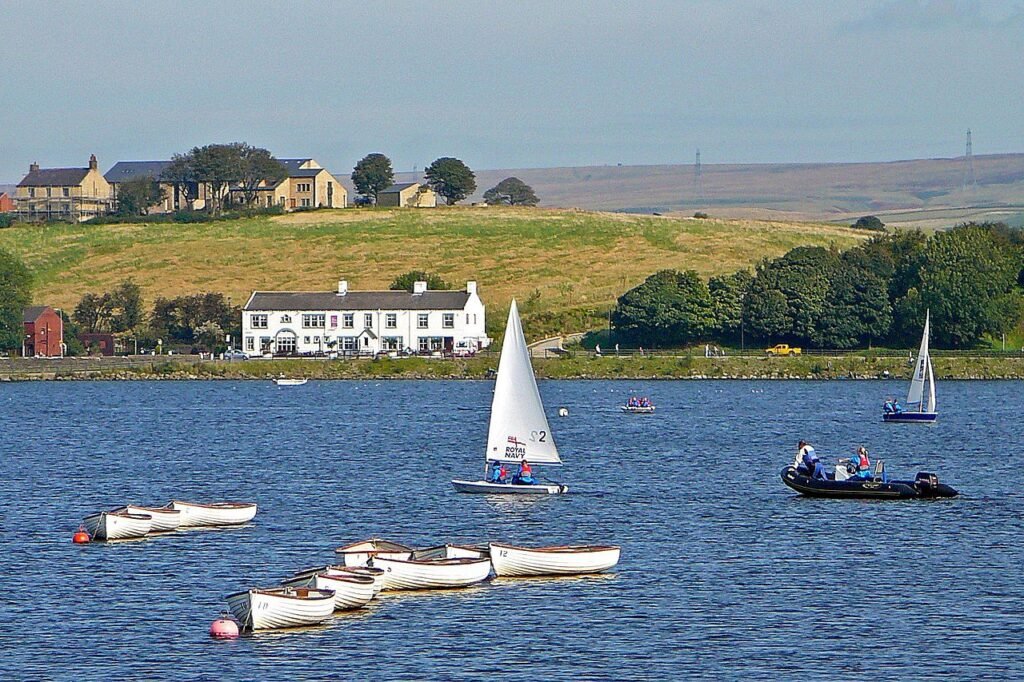
  • Local gems like Hollingworth Lake and Gibson Mill.

Dining and Accommodation

  • Pubs, restaurants, and cafés serving local cuisine.
  • Accommodation options range from campsites to luxury hotels.

Shopping Destinations

  • Markets, independent shops, and farm shops for unique finds.
  • Art galleries and contemporary art spaces.

Industrial Heritage

  • Museums and sites showcasing the region’s industrial history.

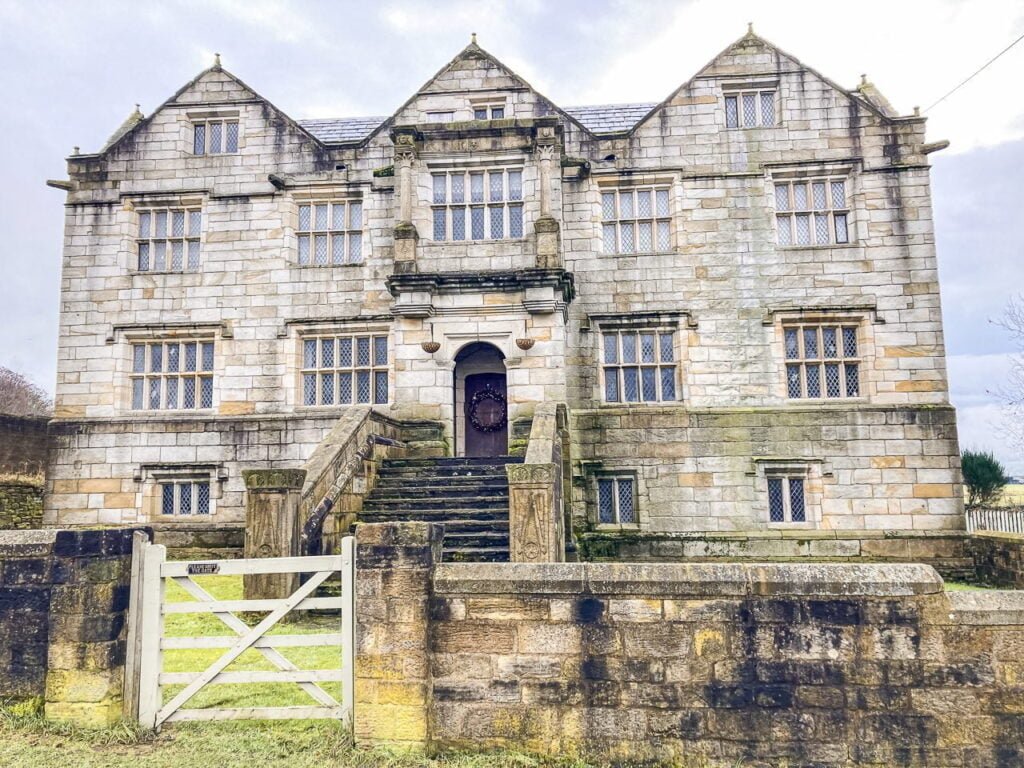
Clegg Hall, Littleborough. Copyright Steven Dale 2023 All Rights Reserved.

Events and Festivals

  • Celebrate local culture, music, food, and more at various festivals.

Wildlife Experiences

  • Observe diverse bird species, wildlife, and flora in natural settings.

Plan Your South Pennines Adventure

Explore the South Pennines and make the most of your visit with this guide to its top attractions and activities. Whether you’re seeking family-friendly fun or hidden gems, this region has something for everyone.

Main Takeaways
– Family-friendly attractions offer interactive learning and wildlife encounters.
– Hidden gems include scenic valleys, historic towers, and serene reservoirs.
– South Pennines attractions encompass natural beauty, cultural heritage, and outdoor adventures.
– Dining and accommodation options cater to various tastes and budgets.
– Shopping destinations feature local crafts and contemporary art.
– Explore industrial heritage sites and enjoy vibrant festivals.
– Discover diverse wildlife and lush gardens in tranquil settings.

Related Posts:

Capturing Nature: Wildlife Photography Around Hollingworth Lake and the South Pennine Hills

The Beauty of Hollingworth Lake Hollingworth Lake, located in the scenic South Pennine Hills, is an ecological gem that presents a rich tapestry of natural beauty and biodiversity. This picturesque destination boasts various habitats, including wetlands, woodlands,…

Hollingworth Lake interesting facts

Interesting facts about Hollingworth Lake Hollingworth Lake is a very popular destination for visitors to Rochdale. Today it attracts those who enjoy the outdoors. It offers opportunities for walkers (with or without dogs), sailing enthusiasts, horse riders, and…

Littleborough Family Hub

Family Hubs provide a range of support services for families with children aged 0-19 or 0-25 for children and young people with special educational needs and disabilities (SEND).

Visit Littleborough. 7 Reasons to do so soon.

7 Reasons Why Littleborough Is the Perfect Pennine Escape Visit Littleborough, which is nestled in the foothills of the South Pennines. it is a charming town with a lot to offer. It’s the perfect blend of history, natural beauty, and outdoor adventure. But don’t just…

History of Hare Hill Park

History Hare Hill Park has an interesting history. Key Takeaways: Hare Hill Park, a traditional Victorian park in Littleborough, has a rich history intertwined with that of Hare Hill House. Originally home to the Newall family, Hare Hill House later served as the Town…

How did the Falcon Inn contribute to Littleborough’s history?

The Falcon Inn played a significant role in Littleborough’s history, particularly during the town’s development in the 18th and 19th centuries.

The Industrial Revolution in Littleborough

The Industrial Revolution in Littleborough: A Tale of Growth and Change Littleborough, a small town in Greater Manchester, underwent significant transformation during the Industrial Revolution. This period of rapid change reshaped the town’s landscape, economy, and…

Hollingworth Lake: Hidden gem of Greater Manchester

Blog Discover the Hidden Gem of Greater Manchester: Hollingworth Lake Nestled in the heart of Littleborough, Greater Manchester, lies a stunning 130-acre reservoir known as Hollingworth Lake. This picturesque body of water has a rich history dating back to 1800….

Is Littleborough A Fantastic Place To Live? – Exploring The Tranquil Charms Of Littleborough

Explore the Tranquil Charm of Littleborough: From Lakeside Serenity to Sustainable Living. Discover the best of Littleborough’s picturesque landscapes, sustainable initiatives, and more in our informative blog. Uncover the heart of Greater Manchester’s hidden gem!

The Enchanting Beauty of Littleborough and its Pennine Villages

With its sweeping moorland hills and wealth of captivating routes, Littleborough is a haven for hikers seeking scenic outdoor adventures. By properly preparing for your hike, taking safety precautions, and refueling at local eateries after, you’re guaranteed an unforget…

Discover Littleborough and the Pennine Villages

Discover Littleborough and the Pennine Villages

Discover Littleborough and the Pennine Villages

Discover Littleborough and the Pennine Villages

An area nestled in the Pennines, situated just outside Rochdale. Known for its picturesque scenery and rich history, Littleborough and the Pennine Villages is a popular destination for those looking to explore the great outdoors.

A Brief History

The area has a rich history dating back to the Roman period, with evidence of Roman activity found throughout the region. During the Industrial Revolution, the area saw a boom in textile production, with mills being built throughout the valley.

The Villages

The area is composed of several villages, each with its own unique charm and character. These include:

Littleborough

Littleborough is the largest village in the area, and is home to a variety of shops, restaurants, and cafés. The village also boasts a number of historic buildings, including Littleborough Coach House and the Shore Hall.

Walsden

Walsden is a small village situated in a picturesque valley. The village is home to a number of historic buildings, including St. Peter's Church and the Hollins Mill.

Smithy Bridge

Smithy Bridge is a small village situated on the Rochdale Canal. The village is home to historic Clegg Hall and the popular tourist attraction of Hollingworth Lake.

Summit

Summit is a small village situated on the outskirts of Littleborough. The village is home to a number of shops and restaurants, as well as a historic church.

Wardle

Historically a part of Lancashire, Wardle and its surroundings have provided archaeological evidence of Mesolithic activity in the area. The name Wardle is said to be derived from "Ward Hill", implying "fortified place". Places to visit include Wardle Village Church and Watergrove Reservoir, with its drowned village! There is a free car park at the reservoir, though the approach road is very uneven, being an old cobbled road, so be sure to drive very slowly up to the car park. It is definitely worth it though as there are pleasant walks around the reservoir and the surrounding hills.

Things to See and Do

Littleborough and the Pennine Villages offer a wealth of activities for visitors to enjoy. Here are just a few things to see and do:

Hiking and Walking

The area is a hiker's paradise, with a variety of trails and paths to explore. From the Rochdale Canal towpath to the Pennine Way, there is something for hikers of all abilities. There is the Pennine Way and Blackstone Edge. Furthermore, you have plenty of walks around local reservoirs, often with spectacular views over the surrounding hills and valleys.

Cultural Attractions

The area is home to a number of cultural attractions, including the Littleborough Coach House and the Littleborough Arts Festival. Visitors can also explore the area's rich history at the Littleborough Heritage Centre.

Food and Drink

Littleborough and the Pennine Villages is home to a variety of restaurants, cafés, and pubs. Visitors can sample local delicacies such as Lancashire Hotpot and black pudding, and enjoy a pint of real ale at one of the many pubs in the area.

Getting Here

Littleborough and the Pennine Villages are easily accessible by car or public transport. The area is situated just off the M62, and is well-connected by rail and bus services.

In Conclusion

The area is part of the South Pennines, with plenty of places just waiting to be discovered. Whether your interest is in history, wildlife, or you simply wish to explore nature, there is something for all ages and abilities in this beautiful area.

Be sure to check out some of our other posts, such as the one on Hare Hill House in Littleborough or the one about Edwin Waugh, a Lancashire Dialect Poet.

South Pennines Landmarks: Discover the Hidden Gems

South Pennines Landmarks: Discover the Hidden Gems

South Pennine Landmarks

Littleborough Lakeside is part of the South Pennines. As such, it especially makes a great base from which to explore this dramatic landscape and historically significant region.  The area is a stunning upland region in Northern England, stretching across West Yorkshire, Lancashire and Greater Manchester. Furthermore, it is home to some of the UK's most breathtaking scenery, with rolling hills, wild moorland, and picturesque valleys. In this article, we will explore the many landmarks and attractions that the South Pennines has to offer, highlighting some of the lesser-known gems that are waiting to be discovered. For this reason, you must visit the area at the earliest opportunity!

Brontë Country: Haworth and the Brontë Parsonage Museum

Haworth is undeniably a charming village situated on the edge of the Pennine moors, famous for its association with the Brontë sisters. For instance, the village is home to the Brontë Parsonage Museum, which is dedicated to the lives and works of the Brontë family. Visitors can explore the museum's many exhibits, including manuscripts, personal belongings, not to mention the first editions of the sisters' books. In addition, there are a range of independent shops, cafés and restaurants. In view of this, it makes it the perfect place to spend a leisurely afternoon.

Marsden Moor Estate: Wild and Wonderful

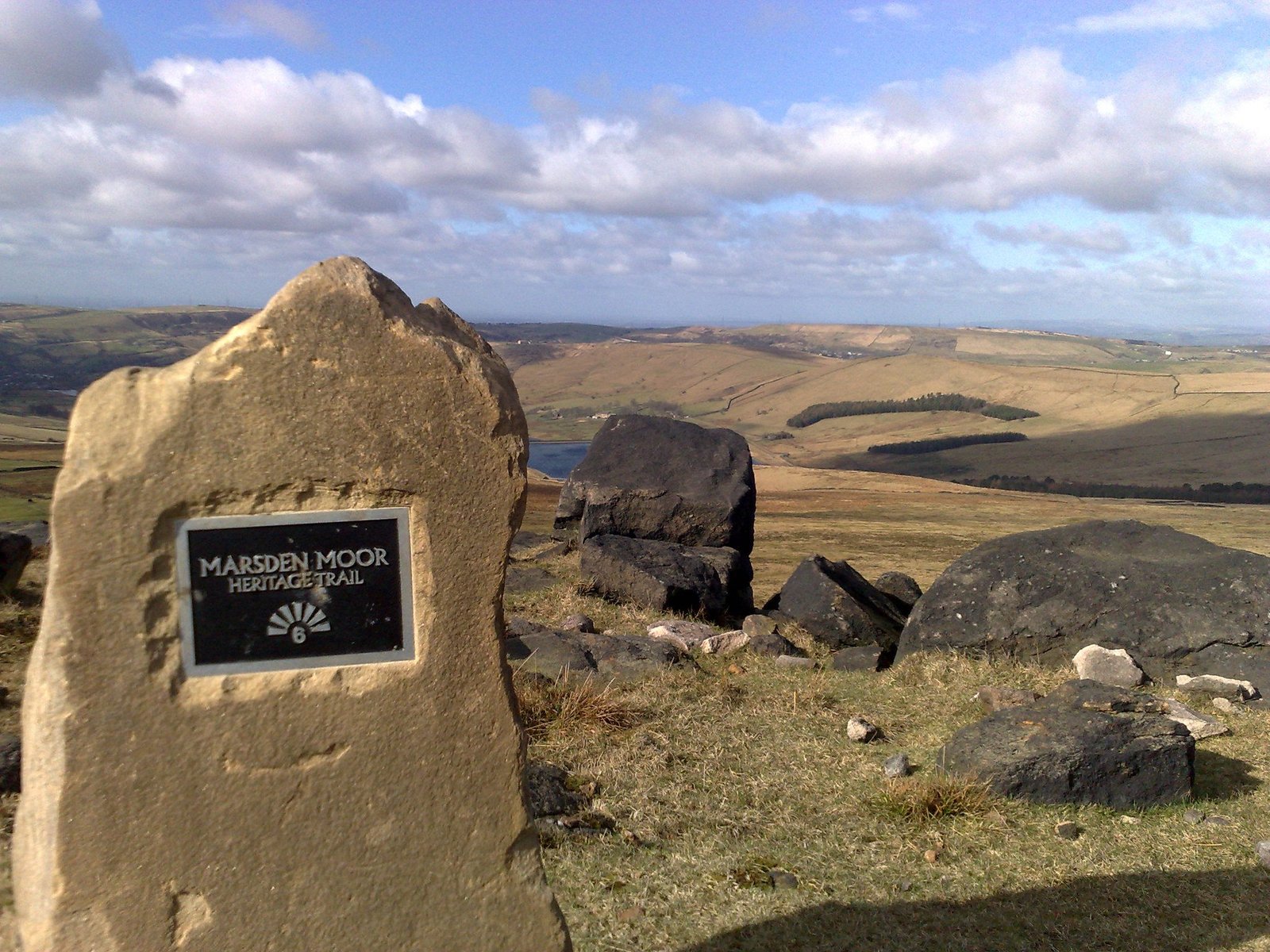
Marsden Moor Estate is undoubtedly a wild and wonderful area of moorland that lies to the west of Huddersfield. The estate covers over 5,000 acres and is managed by the National Trust. Visitors can enjoy a range of activities, including walking, cycling, and bird watching. The area is home to a variety of wildlife, including curlews, lapwings and mountain hares. Without a doubt, one of the highlights of the estate is certainly the striking gritstone outcrops, which provide a dramatic backdrop to the surrounding countryside.

Hardcastle Crags: A Hidden Gem

Hardcastle Crags is a hidden gem, tucked away in a secluded valley near Hebden Bridge. It is an area that's home to a stunning woodland landscape, with ancient oak trees, tumbling streams and cascading waterfalls. Make sure you follow any one of a number of waymarked trails through the woods, taking in the breathtaking scenery along the way. Similarly, be sure to visit one of the highlights of the area in the Gibson Mill, a former cotton mill that has been converted into an eco-friendly visitor centre.

Heptonstall: A Village Frozen in Time

Heptonstall is surely a picturesque village that is frozen in time. Situated high on a hill overlooking the Calder Valley, the village has changed little over the past 200 years. When visiting, be sure to explore the village's many historic buildings, not to mention the octagonal Methodist chapel and the ruined church of St Thomas a Becket. It also has a range of quaint tearooms and pubs, making it the perfect place to stop for a bite to eat.

Peak District National Park: Explore the Great Outdoors

The South Pennines is home to the northern section of the Peak District National Park, which offers some of the UK's most stunning scenery. You should explore the park's many attractions, including the dramatic Kinder Scout plateau, the picturesque village of Castleton, and the stunning Derwent Valley. The park is also home to a range of outdoor activities, including hiking, rock climbing, and caving.

In Conclusion

The area of the South Pennines is a region of outstanding natural beauty, with a wealth of landmarks and attractions just waiting to be discovered. Whether you're interested in history, wildlife, or simply exploring the great outdoors, there is something for everyone in this stunning part of the UK. So why not plan a visit today and discover the hidden gems of the South Pennines for yourself? Sooner or later, you will be back. I guarantee it!


Related Posts

Historical Hare Hill House

Historical Hare Hill House

Historical Hare Hill House

Historical Hare Hill House

The historical Hare Hill House is a Georgian House built by the Newall family during the later half of the 18th Century. It has a fascinating history and significant artefacts. The house was gifted to the people of Littleborough by the Newall family and is now cared for by a team of dedicated volunteers.

Newall Family

Historical Hare Hill House was originally part of an estate owned by the Newall family of Littleborough. Their main residence was Town House. In 1876 Hare Hill House was settled on H.G.F. Newall when he married. In 1901 the property with its grounds was purchased by Littleborough Urban District Council for a ‘perpetual yearly payment’ of £323.19s 8d.

Now, the house is managed by a local community group, the Friends of Hare Hill Park. Rochdale Library has a branch at the house. Details of opening times etc can be found here. As well as a library, it hosts various group activities such as craft, art and some U3A groups.

You can read more info on the history of the Newall family here

Town House itself is still in existence and more can be read about its history on the Littleborough’s History site here.

Hare Hill House is set in Hare Hill Park, formerly part of the grounds of the house and now a Green Flag park with several Grad II listed features. There is a programme of events throughout the year. Details of upcoming events can be found on the Friends of Hare Hill Park Facebook page.

Hare Hill Park was created in the Victorian era and sits snugly in the very heart of the Littleborough community.

There’s a range of facilities at Hare Hill Park, including:

  • Formal gardens

  • Fixed play areas

  • Skateboard park

  • Toddlers’ play area

  • Sports pitch area

  • Bowling greens

  • Historical features, including a listed water wheel and the bandstand

  • Town library and information centre, formerly Hare Hill House

  • Guide dogs allowed

Council-run bowling greens close each year from 30 September until 1 April while we complete winter maintenance work.


Share the Post:


Related Posts

Join Our Newsletter

Memories of Birch Hill Hospital

Memories of Birch Hill Hospital

Memories of Birch Hill

Memories of Birch Hill Hospital

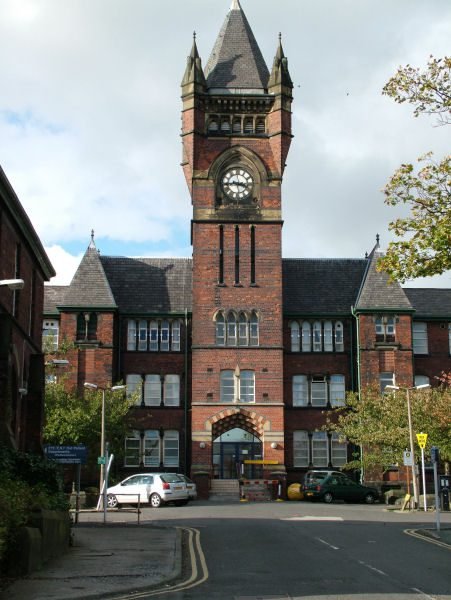
Birch Hill Hospital has stood at the foot of the West Pennines, overlooking Dearnley and Rochdale, since 1877. Originally opened on 1 November 1877 as a Workhouse by Rochdale Union, it later became a hospital. In 1902 the Workhouse was expanded with a hospital block. In 1931 it gained a Children’s Ward and a Maternity Home. In 1948, they all became a part of the newly formed National Health Service.

Personal Memories

My earliest memories of the hospital are of my first stay as an in-patient, aged about 7 years of age. At the time, we lived on Kirkholt housing estate. I suffered terribly as a child with sinus problems and tonsillitis. In the end, I had two operations and so was an in-patient on the children’s ward. It was not a pleasant experience, to say the least!

The next time I was at Birch Hill was to commence my General Nurse (SRN) training in 1982. I was a trained Psychiatric Nurse (RMN) having trained at Oldham and District General Hospital. By then, I was back living in Royton (where I was born). Due to the fact that I was a qualified Psychiatric Nurse already, I was only required to do a further 18 months training to gain my SRN qualification.

Due to the fact that my training was shorter than that of others studying to become SRNs, I didn’t stick with the same group throughout my training. In fact, only one other nurse (also a trained Psychiatric Nurse) called Bill, was on the same learning path I was. Sadly, as Bill lived in Leeds, he found the travel costs too high and eventually dropped out, returning to a post in Leeds on the Psychiatric Unit.

This was not only sad for him personally, but a loss to the profession, at least on the General side. Bill had a very dry sense of humour and I have happy recollections of many a humorous moment both on and off the wards. Our time on the maternity side of things was particularly funny, especially when Bill had to give a demonstration of breastfeeding in the class to myself and other students. It truly was a moment worthy of the Edinburgh fringe or ‘Live London Palladium!’

After qualifying, I gained a post on the medical wards, working mainly on Healey Ward and later on, the Coronary Care Unit. I really enjoyed my time as a nurse at Birch Hill. Despite the poor pay and hard work (we hand-wrote our reports in those days, as computers weren’t so pervasive), we had lots of laughs. Looking at the posts on Facebook, it seems others feel the same too. 

After trying to get a place on a post-graduate course in Coronary Care Nursing (competition was high) in Barnsley, Yorkshire, I decided the time was right to move on. So, in 1985 I moved to the ‘Big Smoke’ to a job at St Bartholomew’s Hospital, London on the Coronary Care Unit. After a farewell dinner with my colleagues on the CCU and one to say goodbye to all my friends in Royton & Rochdale, I left the North West for an adventure that would keep me away for the next 37 years!

Share the Post:


Related Posts

Join Our Newsletter

Lancashire Dialects ‘Robbie Burns’

Lancashire Dialects ‘Robbie Burns’

Lancashire's 'Robbie Burns'

Lancashire's dialect poetry

Lancashire's dialect poetry is a unique form of poetry that originated in the Lancashire region of England. It is characterized by its use of local dialects and phrases that are specific to the region. Lancashire's dialect poetry became popular in the 19th century, and many famous poets emerged during this time.

One of the most famous Lancashire dialect poets is Edwin Waugh, known as Lancashire Dialects 'Robbie Burns'. Another well-known poet is Samuel Laycock, who was born in Marsden, near Huddersfield, in 1826.

He is best known for his poem "Bowton's Yard," which depicts the lives of the working-class people in Lancashire. Another notable poet is Ammon Wrigley, who was born in Delph, near Oldham, in 1861. He is known for his use of dialect and his love of the local landscape.

If you are interested in reading Lancashire dialect poetry, there are several anthologies available that feature works by these famous poets.

One such anthology is "Lancashire Lyrics: Modern Songs and Ballads of the County Palatine," which was edited by John Harland and published in 1870. Another anthology is "The Songs and Ballads of Lancashire, Chiefly Older than the Nineteenth Century," which was edited by John Harland and published in 1865.

There are also many individual books available that feature the work of specific Lancashire dialect poets. For example, Samuel Laycock's work is collected in the book "The Poems of Samuel Laycock," which was edited by Thomas Blackburn and published in 1889. Similarly, Ammon Wrigley's work is collected in the book "The Moorland Muse," which was published in 1910.

Lancashire Dialects 'Robbie Burns' - Edwin Waugh

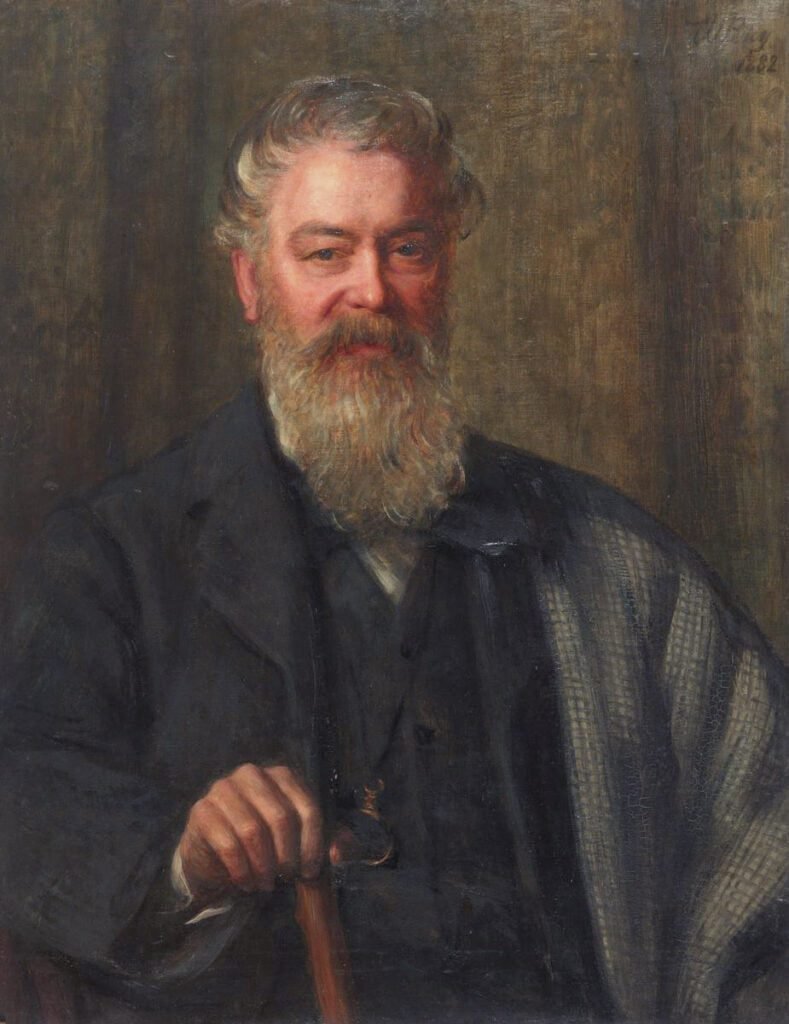
Edwin Waugh, by William Percy. Edwin Waugh *oil on canvas *91.4 x 71.2 cm *signed t.r.: W Percy / 1882

Edwin Waugh
*oil on canvas
*91.4 x 71.2 cm
*signed t.r.: W Percy / 1882

Edwin Waugh (1817-1890) is widely regarded as one of the most famous Lancashire dialect poets of the 19th century. Born in Rochdale, Lancashire in 1817, Waugh was the son of a shoemaker. Despite only having a limited education, he went on to become a prolific poet and writer, known for his ability to capture the essence of Lancashire life and culture through his poetry.

At the age of 12, Waugh was apprenticed to a printer named Thomas Holden. He subsequently worked as a journeyman printer, travelling all over Britain before eventually returning to Rochdale.

Despite his busy schedule, Waugh was an avid reader, and his love of literature led him to become assistant secretary to the Lancashire Public School Association in 1847. This brought him to Manchester, where he began publishing descriptions of rural rambles. The reception to his works encouraged him to continue writing.

By 1860, Waugh was able to become a full-time writer. His most famous works include the book "Sketches of Lancashire Life and Localities", published in 1855 while he was working as a traveller for a Manchester printing firm, and his collection of Lancashire dialect songs, "Poems and Songs", published in 1859. It was this collection that brought him local fame and earned him the nickname "the Lancashire Burns".

Waugh's ability to capture the Lancashire dialect and his depictions of local life and culture made him popular among his contemporaries. His most famous poem, "Come Whoam to Thi Childer an' Me", was published in 1856 and is still widely studied and enjoyed today. The poem is a touching ode to the joys of family life and the simple pleasures of home.

Despite his success, Waugh's life was not without its hardships. In 1881, he was in poor health and was granted a Civil List pension of £90 per annum. He died at his home in New Brighton, Cheshire, in 1890 and was buried in St. Paul's churchyard on Kersal Moor.

To commemorate his life and work, Waugh's Well was built in 1866 at Foe Edge Farm on the moors above Edenfield, Rossendale, where he spent much of his time writing. Sadly, Foe Edge was demolished by the North West Water Authority in the mid-1970s, and no trace of the building remains today.

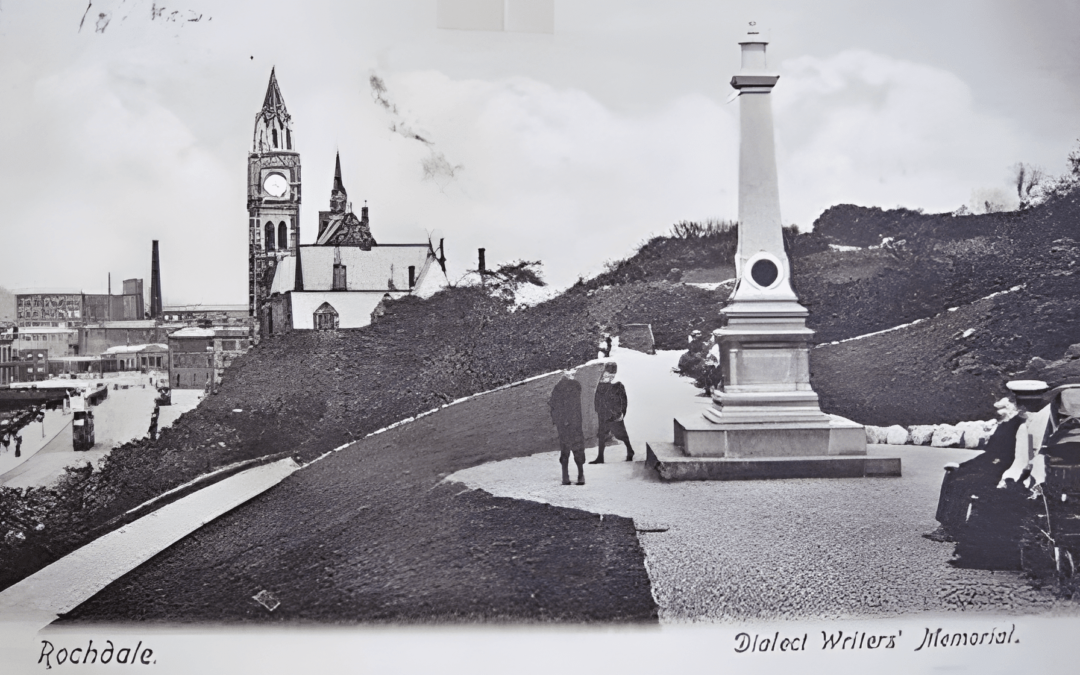
In Rochdale, a monument in Broadfield Park commemorates Waugh alongside other local literary figures, including Margaret Rebecca Lahee, Oliver Ormerod, and John Trafford Clegg. Waugh's contribution to Lancashire dialect poetry and literature is still celebrated today, and his works remain popular among those who appreciate the rich cultural heritage of the region.

In addition to Waugh, Lancashire has a rich tradition of dialect poetry dating back centuries. Other famous Lancashire dialect poets include Samuel Laycock, whose poem "The Lancashire Cotton Famine" is a powerful reflection on the hardships faced by Lancashire cotton workers during the American Civil War, and John Collier, whose humorous sketches of Lancashire life were popular in the early 20th century.

For those interested in reading more Lancashire dialect poetry, there are many anthologies available. "The Lancashire Dialect Anthology" edited by Ernest Axon is a comprehensive collection of poems and songs from Lancashire, including works by Waugh, Laycock, and Collier. "The Songs of Edwin Waugh" edited by Robert Anderson is another excellent collection of Waugh's work.

Overall, Edwin Waugh remains one of the most important figures in Lancashire dialect poetry and literature. His ability to capture the essence of Lancashire life and culture through his poetry.

Despite his success, Waugh remained humble and dedicated to his community. He often performed his poetry at local events, using his talents to bring joy to others.

He also advocated for education and helped establish schools for working-class children in Lancashire. His legacy lives on not only through his poetry, but also through the Edwin Waugh Society, which was established in 1988 to promote the study and appreciation of Lancashire dialect poetry.

For more about Edwin Waugh and Lancashire Dialect Poetry, visit the Edwin Waugh Dialect Society.

In addition to Waugh, there are other notable Lancashire dialect poets who have contributed to this rich tradition. One of the most famous is Samuel Laycock (1826-1893), who wrote poems about working-class life in Lancashire.

He was known for his humorous and satirical style, often using dialect to add to the authenticity of his work. Another notable Lancashire dialect poet is Ben Brierley (1817-1895), who wrote about everyday life in Lancashire, including the struggles of working-class people. His work was so influential that he was known as the "Lancashire Burns".

There are also many anthologies of Lancashire dialect poetry available, including "The Lancashire Witches: A Romance of Pendle Forest" by William Harrison Ainsworth, which tells the story of the infamous Pendle witch trials of 1612. The poem is written in Lancashire dialect and includes descriptions of the people and landscape of the region.

Overall, Lancashire dialect poetry is a rich and vibrant tradition that has contributed to the cultural identity of the region. Poets like Edwin Waugh, Samuel Laycock, and Ben Brierley used their talents to capture the essence of everyday life in Lancashire and to celebrate the people and culture of the area.

Through their poetry, we are able to gain insight into the history and traditions of lancashire, and their work remains a testament to the power of dialect and the importance of preserving local culture.