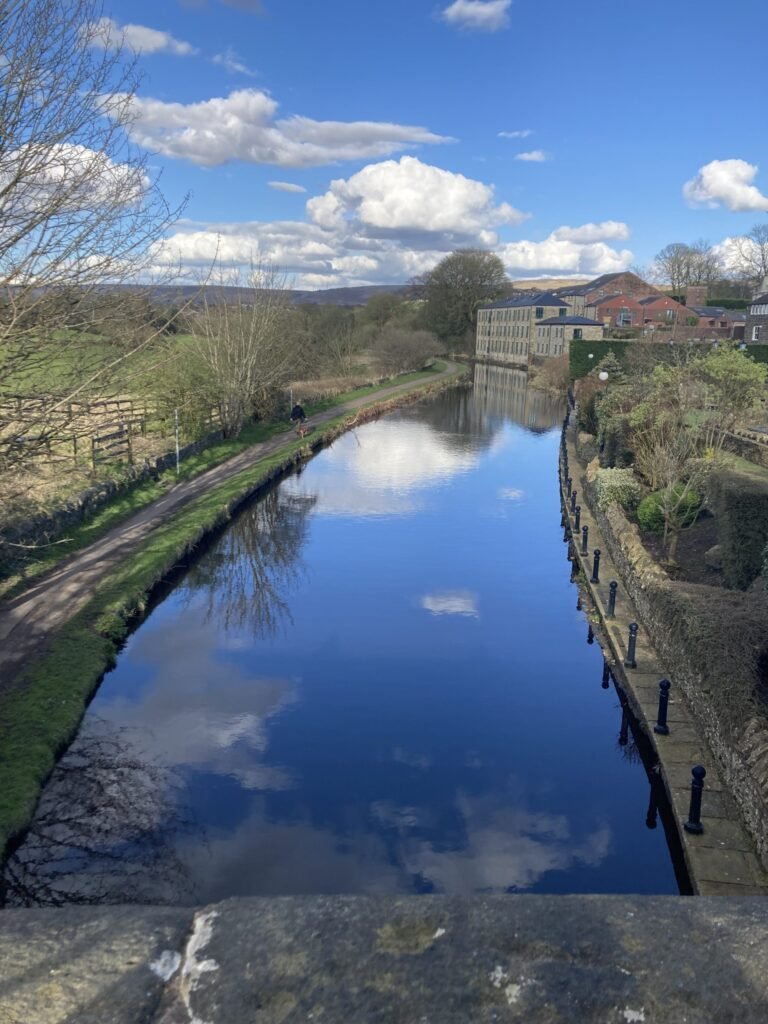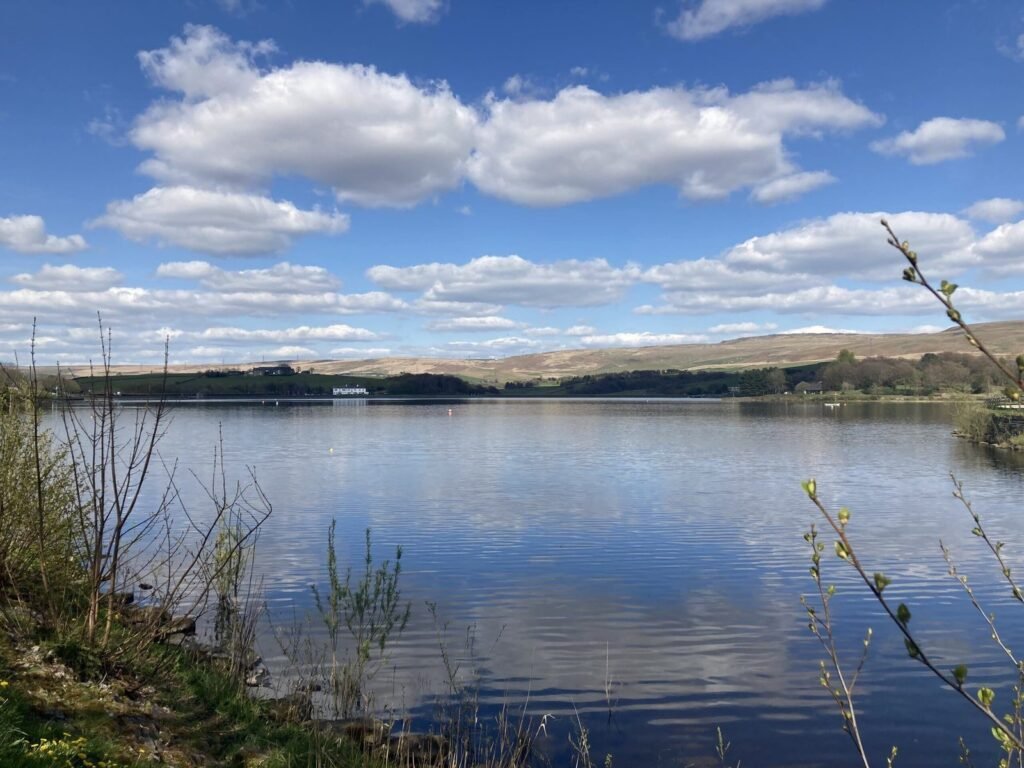
Staying Safe on the Water: Essential Tips for Aquatic Activities

Staying Safe on the Water: Essential Tips for Aquatic Activities

Introduction to Water Safety
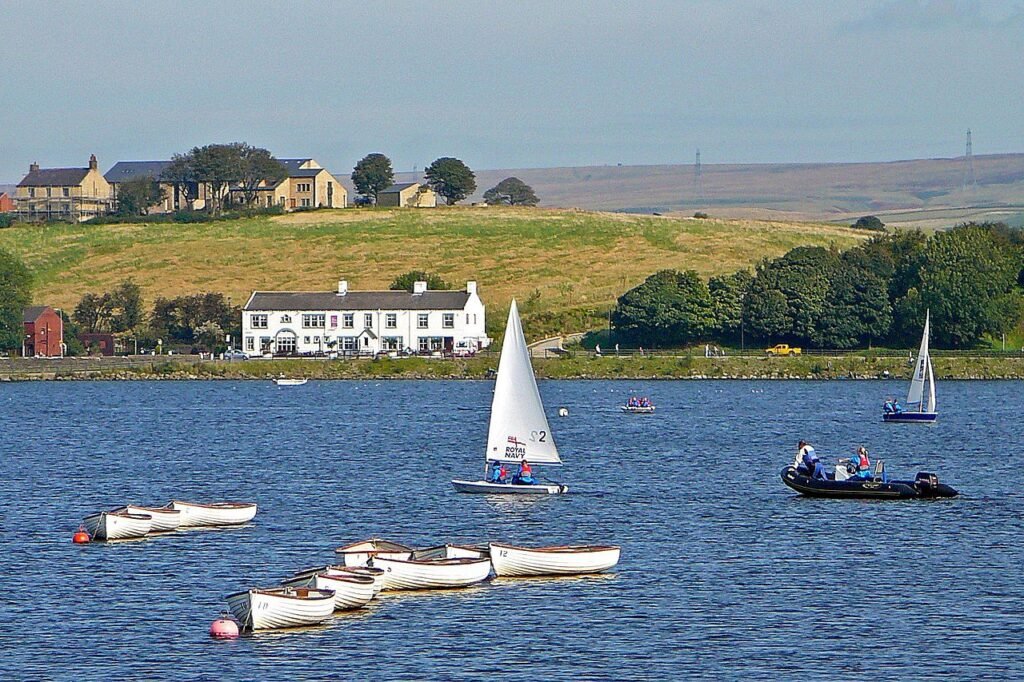
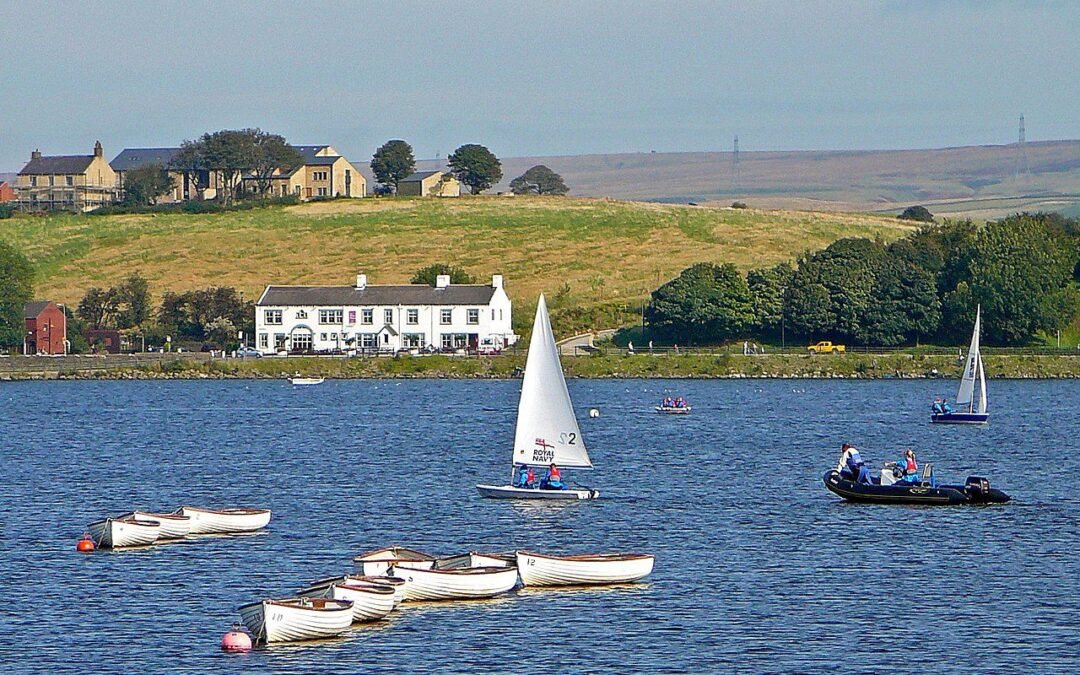
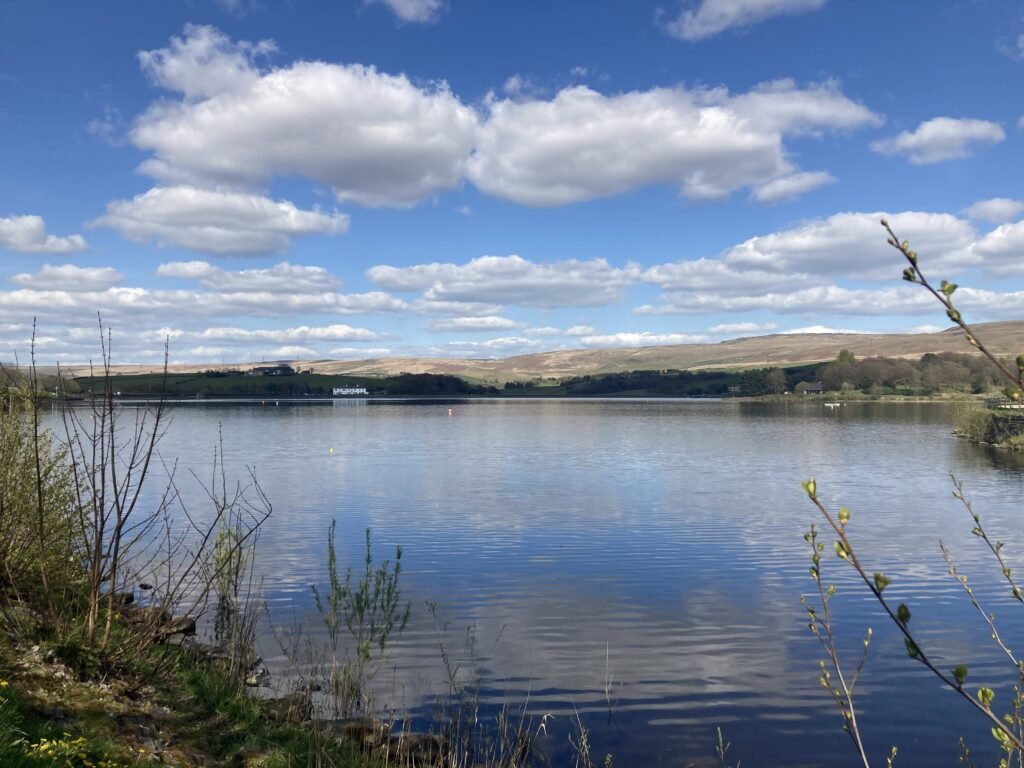
Boats on Hollingworth Lake

Engaging in aquatic activities such as sailing, paddleboarding, kayaking, and fishing can be both exhilarating and rewarding. However, it is imperative to recognize the importance of water safety to ensure a secure and enjoyable experience. Water environments, while inviting, present a unique set of risks that can pose serious dangers, particularly in cold water settings. Understanding these risks is a crucial element of participants' preparation and awareness.

Cold water environments, in particular, can dramatically increase the likelihood of accidents and health hazards. Hypothermia, for instance, can set in quickly when individuals immerse themselves in cold waters, significantly impairing physical abilities and cognitive functions. This underscores the necessity for practical safety measures such as wearing appropriate thermal gear and life jackets, which can provide crucial support should an individual find themselves in distress.

Additionally, unfamiliarity with the water body can lead to unintended consequences. It is essential for participants to be knowledgeable about local weather conditions, currents, tides, and any potential hazards in the area, such as submerged objects or shallow waters. Boating regulations and the use of personal flotation devices are also vital components of a comprehensive water safety strategy.

Furthermore, awareness of the limitations of one’s skill level is critical. Even experienced individuals can find themselves in challenging situations. Openness to learning and practicing safety protocols, such as the buddy system, can improve overall safety outcomes. Regularly reviewing and updating one’s safety knowledge can help ensure that every aquatic adventure is not only enjoyable but also safe.

Understanding Cold Water Risks

Engaging in aquatic activities can be invigorating and enjoyable; however, it is essential to recognize the potential dangers associated with cold water conditions. Cold water poses significant risks, notably hypothermia, which can onset quickly and lead to serious consequences if left unaddressed. Hypothermia occurs when an individual's body loses heat faster than it can produce it, typically when temperatures drop to around 70°F (21°C) or lower. This risk is especially pronounced in locations like Hollingworth Lake and similar reservoirs, where water temperatures can be deceptively low.

In addition to hypothermia, cold water can impair physical performance. Even a short exposure to cold temperatures can lead to reduced muscle function, delayed reactions, and decreased dexterity. Swimming or performing other physical activities in frigid conditions places undue stress on the body, making it challenging to maintain stamina and coordination. Consequently, individuals may tire more quickly, increasing the likelihood of accidents and mishaps.

Weather conditions also play a crucial role in cold water risks. Factors such as wind, humidity, and cloud cover can affect how individuals perceive cold water temperatures, often resulting in a disparity between anticipated comfort and actual physical response. Moreover, individual health factors contribute to susceptibility to cold water dangers. Individuals with pre-existing health conditions, the elderly, and children may experience heightened vulnerability, necessitating extra caution when engaging in any aquatic activities.

Awareness of these cold water risks is vital for anyone participating in recreational water sports or activities. By understanding the specific dangers posed by cold water, including hypothermia and reduced physical performance in environments like Hollingworth Lake, individuals can take proactive measures to ensure their safety while enjoying their aquatic experiences.

Essential Safety Gear for Aquatic Activities

Participating in aquatic activities necessitates the use of appropriate safety gear to ensure the well-being of all individuals involved. Among the most critical items is the life jacket, commonly referred to as a personal flotation device (PFD). Life jackets are essential, even for skilled swimmers, as they provide buoyancy in the event of unexpected situations in the water. Selecting a properly fitted life jacket that complies with safety standards is vital, as an ill-fitting device can fail to provide the required support.

Additionally, wetsuits and dry suits play an important role in maintaining thermal regulation during aquatic activities, particularly in colder environments. Wetsuits are designed to retain a thin layer of water between the suit and the skin, which warms when exposed to body heat. Conversely, dry suits create a barrier to external water, keeping the wearer dry and insulated. It is crucial to ensure these suits fit well to maximize comfort and effectiveness.

Other important safety gear includes dry bags, which are indispensable for keeping essential personal belongings safe and dry during outings on the water. Proper organization of equipment within dry bags also enhances safety by ensuring that necessary items are accessible. Furthermore, signaling devices, such as whistles or reflective mirrors, are integral for communication and distress signaling in emergencies. These devices can attract attention and facilitate swift rescue efforts if needed.

It is important not to overlook the maintenance of all safety gear. Regular inspections should be conducted to check for signs of wear and tear, as well as ensuring that all equipment is functioning correctly. Proper care can extend the lifespan of safety items and ensure they are reliable when most needed. Adhering to these recommendations will significantly enhance safety and enjoyment during aquatic activities.

Planning Your Trip: The Importance of Preparation

Engaging in aquatic activities can be both exhilarating and rewarding; however, proper trip planning is crucial for ensuring safety during these adventures. Preparation begins with thorough research, which includes checking weather forecasts to anticipate changes in conditions. Understanding what the weather holds for the day can significantly impact the safety of your trip. Sudden rain, high winds, or thunderstorms can create dangerous situations, particularly on open water.

In addition to monitoring the weather, it is imperative to familiarize oneself with water currents. Different bodies of water exhibit distinct characteristics, and understanding local currents can play a pivotal role in navigation and overall safety. For instance, rivers often have strong currents that can change due to upstream rain or melting snow, while oceans may have tides and waves that affect boating or swimming conditions. Awareness of these factors will enable you to make informed decisions regarding your aquatic plans.

Another essential aspect of trip planning involves establishing an emergency plan. This should detail what to do in case of changing weather conditions or unexpected accidents, such as an injury or equipment failure. Ensure you have communication devices that are fully functional and know the closest points of rescue or safe harbor. If possible, equip yourself with a first-aid kit and familiarize yourself with basic first aid procedures relevant to aquatic environments.

Lastly, it is always wise to share your trip plans with family or friends. Informing someone of your intended route, expected return time, and any possible changes adds an extra layer of safety. In the unfortunate event that something goes amiss, having someone aware of your plans can facilitate a timely response. By prioritizing preparation, you can enjoy your aquatic activities with greater peace of mind.

Buddy Systems and Communication

Engaging in aquatic activities can be exhilarating, yet it also presents a variety of risks. One of the most effective ways to mitigate these dangers is through the implementation of a buddy system. The buddy system involves pairing individuals together during water activities, ensuring that no one is alone in potentially hazardous situations. This system enhances safety by providing immediate assistance in the event of an emergency, promoting accountability among participants, and fostering a supportive environment. When one buddy requires help—whether due to fatigue, injury, or adverse aquatic conditions—the other is readily available to respond, effectively reducing the likelihood of accidents.

In addition to being paired with a partner, efficient communication is paramount in aquatic environments. Individuals should equip themselves with tools designed to facilitate clear communication while on the water. Whistles, for instance, serve as a straightforward and effective means of signaling for assistance, requiring minimal effort to produce a sound that carries over water. Furthermore, waterproof radios can significantly enhance communication capabilities, allowing buddies to exchange vital information about conditions or emergencies without needing to be in direct line of sight. Such devices can provide peace of mind by ensuring that help can be reached swiftly while preserving the safety of all involved.

It is also crucial to establish predetermined signals or codes for the buddy system before engaging in aquatic activities. This not only streamlines communication during critical moments but also minimizes confusion, enabling quick and effective responses to any situations that may arise. Combining the buddy system with robust communication tools fosters an atmosphere of safety and preparedness, allowing participants to enjoy their water adventures while remaining vigilant and equipped to handle emergencies should they occur. Ultimately, these strategies are essential for maintaining safety and enhancing the overall experience during aquatic activities.

Recognizing and Responding to Emergencies

Engaging in aquatic activities brings immense enjoyment; however, it also carries inherent risks. Recognizing potential emergencies is crucial for ensuring safety on the water. Common emergencies in aquatic environments include drowning, hypothermia, dehydration, and injuries from equipment or slips. Each of these situations requires immediate attention and appropriate response strategies.

To identify signs of drowning, observers should be aware of atypical behaviors in individuals struggling in water, such as poor coordination, inability to keep their head above water, and silence. Unlike the dramatic portrayal often seen in media, drowning can occur without a sound. In these instances, swift recognition by onlookers and immediate action can be life-saving, which includes reaching out with a flotation device or calling for professional assistance.

Staying safe on the water. Small RIB lifeboat to the rescue.

Hypothermia can occur when individuals are exposed to cold water for extended periods. Symptoms include shivering, confusion, and fatigue. If someone shows these signs, it is essential to remove them from the water, provide warmth, and seek medical help, as prompt response is essential in preventing long-term complications.

Dehydration is another risk, particularly on sunny days, and it can significantly impair an individual’s ability to think clearly and respond effectively in emergencies. Signs include excessive thirst, dry mouth, and fatigue. Maintaining hydration through regular water intake can avert this situation.

Basic first aid skills relevant to aquatic environments can prove invaluable in emergencies. Knowledge of CPR, wound management, and how to properly assist an individual in distress can enhance the overall safety of water activities. It is beneficial for all those partaking in aquatic sports to undergo training in first aid and emergency response to bolster their readiness for unforeseen events. Being informed and prepared can greatly improve the outcomes in critical moments.

Environment Awareness: Respecting Nature and Wildlife

Engaging in aquatic activities demands a heightened sense of environmental awareness, underscoring the importance of respecting nature and wildlife. The harmony of aquatic ecosystems is often delicate, and understanding the behavior of local wildlife can mitigate adverse interactions. For instance, observing animals from a distance enhances their comfort while ensuring your safety. Familiarizing oneself with the seasonal habits and nesting periods of native species is paramount; this helps avoid unintentional disruptions to their natural life cycles.

Human activities such as boating, fishing, and swimming can significantly impact local ecosystems. The introduction of pollutants, particularly from motorized vessels, disturbs not only water quality but also the habitats of various aquatic organisms. It is crucial for individuals to employ eco-friendly practices; for example, using biodegradable products and minimizing waste disposal in water bodies. Adopting such practices contributes to the sustainability of aquatic environments, ensuring they remain viable for future generations.

Additionally, awareness of local regulations and guidelines can foster responsible interaction with nature. Many regions have designated wildlife protection areas, where human activity is restricted to safeguard vulnerable species and their habitats. Recognizing these boundaries is essential for the preservation of biodiversity. Moreover, participating in community efforts, such as clean-up initiatives and educational programs, can enhance understanding and foster a deeper appreciation for local ecosystems.
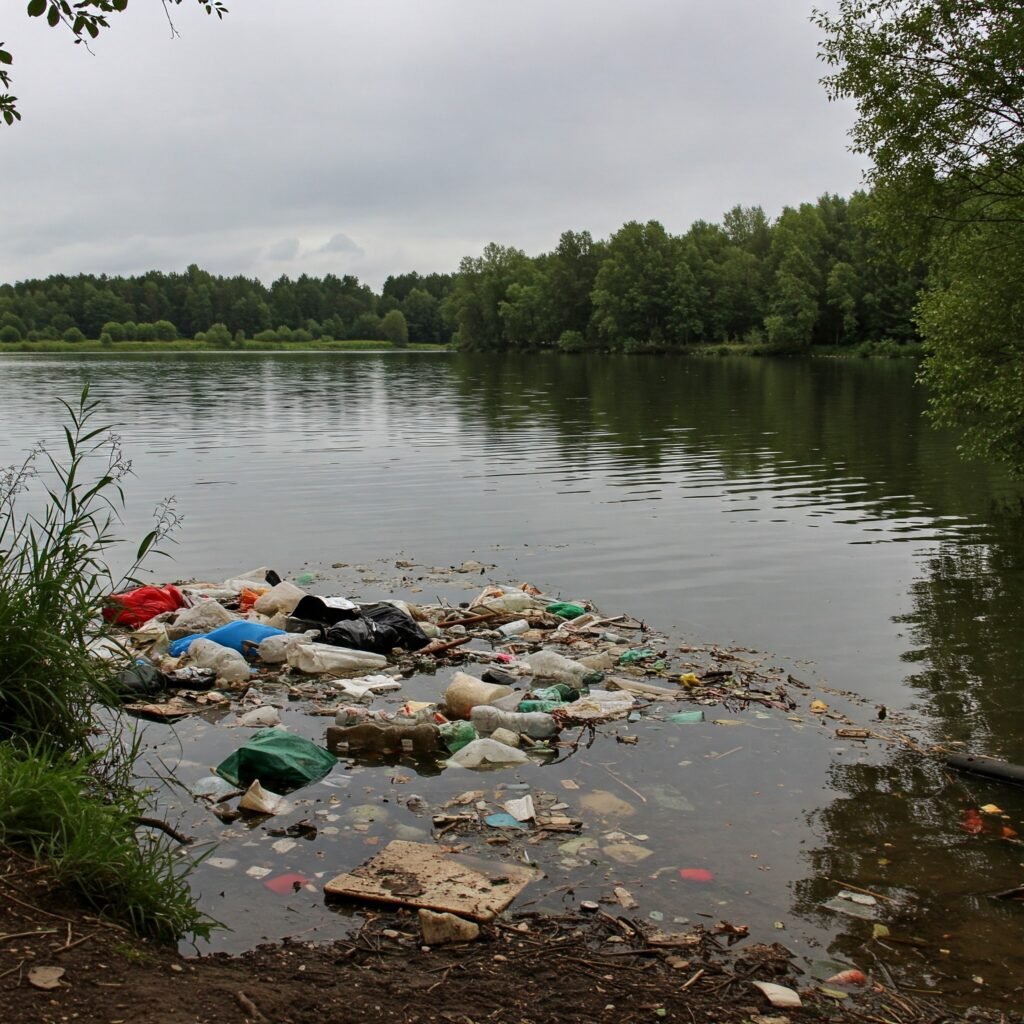
pollution on the water.

By embracing a philosophy of stewardship towards aquatic environments, individuals can help ensure that these natural habitats retain their ecological integrity. Respecting nature not only enhances the quality of outdoor experiences but also reinforces the collective responsibility of preserving these vital ecosystems for the well-being of wildlife and humanity alike.

Tips for Different Aquatic Activities

Engaging in aquatic activities requires both enjoyment and safety-conscious practices. Each water activity presents unique challenges, hence tailored safety tips are essential. Regardless of the activity—whether sailing, paddleboarding, kayaking, or fishing—there are core safety principles that everyone should adhere to while also considering specific recommendations for each endeavor.

For sailing, it is crucial to familiarize yourself with navigation rules and weather patterns. Ensure that all safety equipment, such as life jackets and flares, are onboard and meet regional regulations. Before setting sail, perform a thorough inspection of the vessel, including checking the sail and rudder. Additionally, maintaining clear communication procedures is vital, especially in case of emergencies.

Paddleboarding requires a different set of considerations. Always wear a personal flotation device (PFD), especially for beginners or in unfamiliar waters. Be aware of your surroundings and avoid congested areas, and ensure your paddleboard is appropriate for the water conditions you will be facing. Sun protection, including sunscreen and appropriate clothing, is essential, as this activity often exposes participants to prolonged sunlight.

For kayaking, using a proper fitting kayak and paddle is paramount. Assess water conditions and select routes that match your skill level. Make sure to wear a PFD and stay aware of weather changes. It's advisable to kayak with a partner where possible, as mishaps can occur unexpectedly. Carrying essential gear, such as a whistle or a signaling mirror, can greatly increase your safety.

Lastly, when fishing, choose spots that are safe and sanctioned for the activity. Always check local regulations and wear appropriate attire. Ensure your equipment is reliable, and consider bringing along a first aid kit. Maintaining a respectful distance from others will help avoid mishaps, enhancing an enjoyable fishing experience.

By following these tailored safety tips, individuals can enjoy a variety of aquatic activities while minimizing risks. Familiarity with established safety practices creates a foundation upon which fun and adventure can be safely built.

Conclusion: Making Water Safety a Priority

Water activities offer a plethora of enjoyment and relaxation, but they also come with inherent risks. This blog post has highlighted several crucial tips focused on ensuring safety during aquatic adventures. From understanding the local water conditions to wearing appropriate safety gear, these precautions are vital for minimizing risks while engaging in activities such as boating, swimming, or fishing.

One of the primary points discussed is the importance of being aware of weather patterns and water conditions before heading out. These elements can significantly affect your experience, and being prepared will allow you to respond to sudden changes effectively. Additionally, we emphasized the necessity of wearing life jackets and ensuring that they fit properly, as they can be lifesaving devices in emergencies.

Moreover, it is crucial to educate yourself about the particular water environment you will be navigating. Knowledge about currents, tides, and local wildlife can prevent accidents and enhance your awareness during your aquatic pursuits. We also touched on the significance of maintaining physical fitness, as being in good shape can directly impact your ability to swim or handle unforeseen circumstances.

Lastly, we encourage readers to approach aquatic activities with a sense of responsibility. Whether engaging solo or in groups, creating a safety-conscious atmosphere can lead to enjoyable experiences. By adopting these water safety practices and remaining vigilant, you are not only protecting yourself but also promoting a culture of safety among fellow water enthusiasts. With consistent awareness and preparedness, we can fully enjoy the beauty and exhilaration of aquatic adventures while prioritizing safe practices.
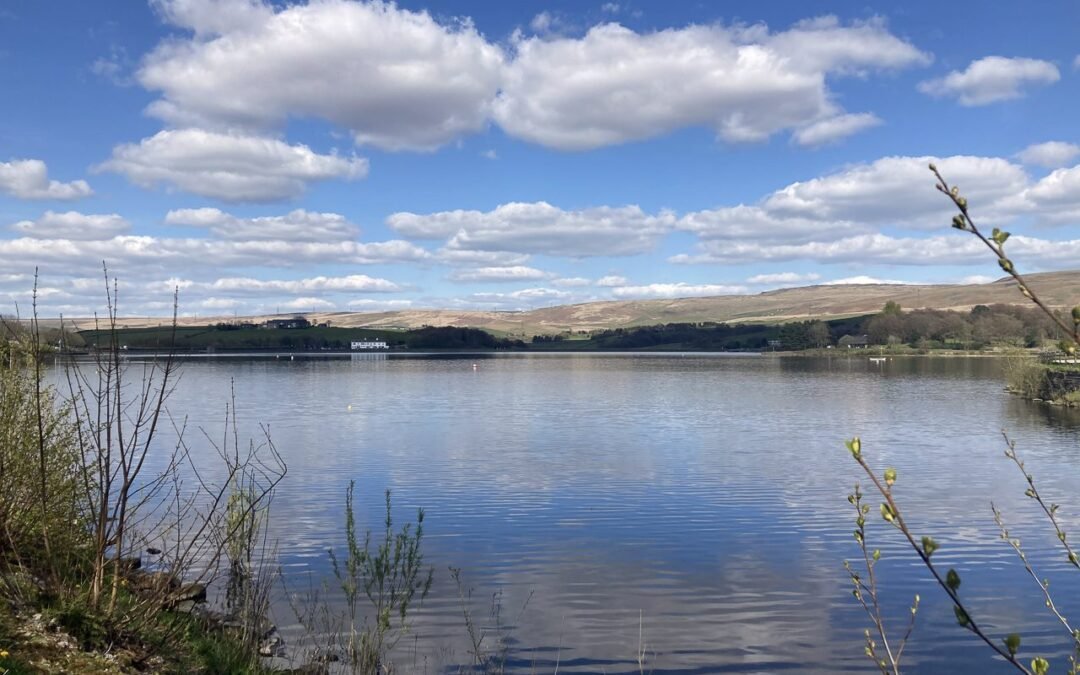
Capturing Nature: Wildlife Photography Around Hollingworth Lake and the South Pennine Hills

Capturing Nature: Wildlife Photography Around Hollingworth Lake and the South Pennine Hills

The Beauty of Hollingworth Lake

Hollingworth Lake, located in the scenic South Pennine Hills, is an ecological gem that presents a rich tapestry of natural beauty and biodiversity. This picturesque destination boasts various habitats, including wetlands, woodlands, and grasslands, each contributing uniquely to the area's ecological landscape. The wetlands surrounding the lake create a vital ecosystem for numerous wildlife species, serving as breeding and feeding grounds for aquatic birds and insects. Meanwhile, the surrounding woodlands provide shelter and nesting sites for various small mammals and avian species, making it a prime location for wildlife photography.

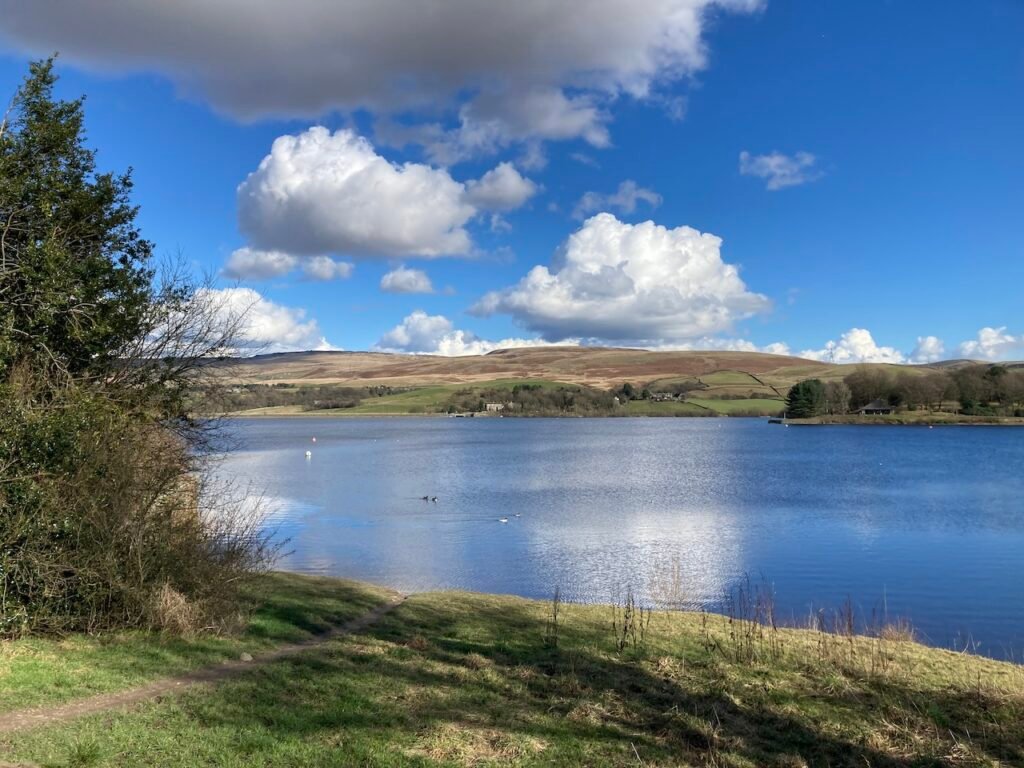
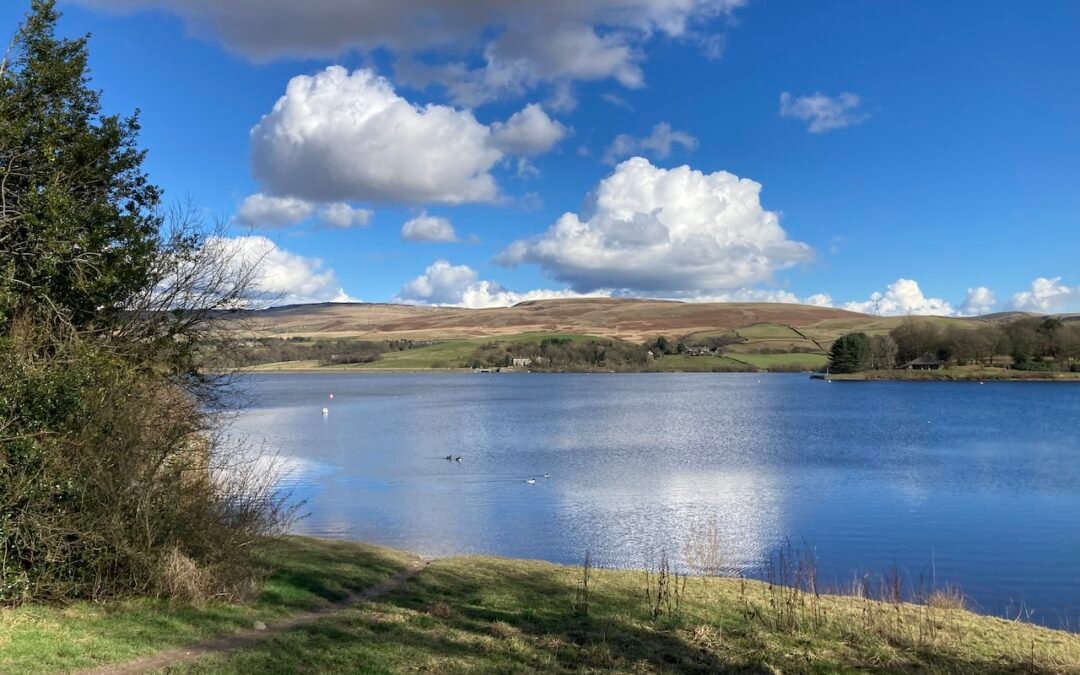
Hollingworth Lake sunset

The diverse habitats found around Hollingworth Lake inherently attract a wide range of wildlife. Birdwatchers and photographers will be thrilled to spot an array of species, from common moorhens and coots to more elusive birds, such as kingfishers and herons. Dragonflies and damselflies can often be witnessed dancing above the water's surface during warmer months, showcasing their vivid colors against the tranquil backdrop of the lake. Additionally, small mammals like rabbits and squirrels frequent the grasslands, providing ample opportunities for capturing dynamic moments within their natural settings.

When planning a visit to Hollingworth Lake for wildlife photography, certain practical considerations can enhance the experience. The early morning and late afternoon are often the best times to observe and photograph wildlife, as many species are more active during these periods. Choosing locations such as the promenade along the lake or the wooded paths can yield spectacular photographic opportunities. Adopting patience and quietness while observing the local fauna will further increase the chances of capturing stunning imagery that reflects the area’s natural beauty. Hollingworth Lake not only serves as a haven for wildlife but also as a fertile ground for budding and experienced photographers alike, fostering a deep connection to the natural world.

Exploring the South Pennine Hills

The South Pennine Hills, a rugged expanse of natural beauty, offers a variety of landscapes ideal for wildlife photography. With its moors, limestone cliffs, and winding streams, this region is a tapestry of vibrant ecosystems waiting to be captured through the lens. Photographers visiting the area will find themselves surrounded by a mosaic of habitats, each presenting unique opportunities for stunning imagery.

The moorlands, characterized by heather-covered hills and vast open skies, provide a dramatic backdrop for photography. These elevated landscapes are home to species like the red grouse, which thrive in the rough terrain. Early risers can witness the enchanting dawn chorus as birds awaken in the crisp air, offering an excellent chance for capturing vibrant avian life. Meanwhile, the limestone cliffs, etched with time, not only present spectacular geological features but also serve as nesting sites for peregrine falcons and other raptors, making them essential photography spots.

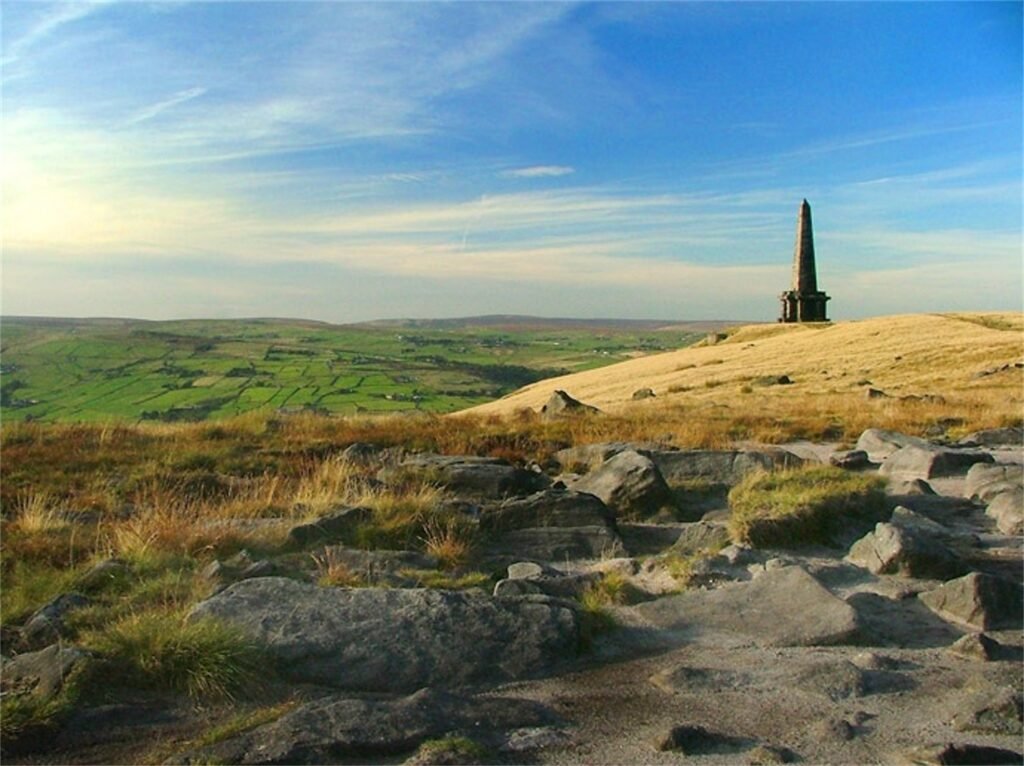
By Loh93 at English Wikipedia - Transferred from en.wikipedia to Commons by Lukasz Lukomski using CommonsHelper., Public Domain, https://commons.wikimedia.org/w/index.php?curid=9433440. Stoodley Pike | Top 10 Things to do in the South Pennines

As one ventures deeper into the South Pennine Hills, the meandering streams and rivers add a touch of fluidity to the rugged environment. The dynamic interplay between water and land often creates captivating reflections and stunning wildlife interactions, such as deer drinking at the water's edge, providing more photographic potential. Important flora, including diverse wildflowers, can also be found, enhancing the scenery and offering intricate details for close-up shots.

While exploring this beautiful terrain, photographers must prioritize safety and preparation. The hills can present challenging conditions, from sudden weather changes to rough trails, making it crucial to carry appropriate gear. It is advisable to equip oneself with waterproof clothing, sufficient food, and sturdy footwear, alongside photography equipment. Additionally, you should familiarize yourself with the area’s weather patterns to ensure a successful outing. With the right preparations, capturing the breathtaking essence of the South Pennine Hills becomes a memorable experience.

Essential Photography Techniques for Wildlife Shoots

Capturing stunning wildlife images requires not only an artistic eye but also a blend of technical skills and understanding of animal behavior. One of the foremost techniques in wildlife photography is to familiarize yourself with the subjects you intend to photograph. Understanding animal behavior helps in predicting movements, enabling photographers to time their shots perfectly. For instance, knowing feeding or playing patterns can lead to opportunities for dynamic photographs.

Equipping yourself with the right gear is crucial for successful wildlife photography. A telephoto lens is often recommended, as it allows photographers to capture subjects from a distance without disturbing them. Depending on the situation, a camera that performs well in low-light conditions may also be advantageous, particularly during early mornings or late afternoons when animals are most active. Additionally, using a sturdy tripod can stabilize your shots, especially when working with longer lenses or in variable weather.

Composition is a pivotal aspect of wildlife photography. Practices such as the rule of thirds can create a more balanced and engaging photograph. Elements like foreground interest, leading lines, and framing can enhance the visual appeal while conveying a story about the subject. When photographing wildlife, it’s also important to maintain a respectful distance, ensuring the animal's natural behavior is not disrupted. This aids in not only ethical practices but also capturing the subject in its true habitat.

Adjusting camera settings to suit different lighting conditions is another essential skill. Utilizing a fast shutter speed can freeze motion, particularly vital when photographing active animals. Conversely, softer light is often more forgiving, lending an ethereal quality to your images, so being able to adapt to varying conditions is key. By integrating these techniques, photographers can elevate their wildlife photography, capturing nature in its most authentic form.

Post-Processing Tips for Wildlife Photography

Post-processing plays a crucial role in transforming wildlife photographs into stunning visual narratives. Utilizing editing software effectively can significantly enhance the quality of your images. Start with basic adjustments, such as cropping, which allows you to remove distractions and focus on your subject. A well-cropped image draws the viewer's attention to the wildlife, making it the focal point of the photograph.

Color correction is another essential aspect of post-processing. Wildlife images can sometimes appear dull due to varying lighting conditions. Utilize tools available in software like Adobe Lightroom or Photoshop to adjust contrast, brightness, and saturation, thereby making colors more vivid and true to life. Enhancing detail through sharpening is also important; this can bring out textures in fur or feathers and increase the overall clarity of the image.

While editing is important for visual appeal, preserving the authenticity of wildlife imagery is equally vital. Achieving a natural effect in your adjustments will maintain the integrity of the wildlife subject while ensuring that the alterations enhance rather than detract from the photograph. It is advisable to avoid overediting, which can lead to an unrealistic appearance that detracts from the essence of the scene captured.

Before finalizing your images, consider assembling a cohesive portfolio that tells a story about the wildlife surrounding Hollingworth Lake and the South Pennine Hills. Select photographs that complement each other in tone and composition, crafting a narrative that reflects the beauty and diversity of nature. This curated collection will not only showcase your skills as a wildlife photographer but also serve as a vivid representation of the stunning wildlife in your local area.

Essential Tips and Good Practices for Hill Walking in the South Pennines

Essential Tips and Good Practices for Hill Walking in the South Pennines

Choosing the Right Footwear

Selecting the appropriate footwear is paramount for enjoying hillwalking in the South Pennines, where varied terrains present unique challenges. The right pair of hiking boots or shoes can significantly enhance stability, comfort, and safety during your hiking excursions. When considering options, it is essential to focus on three critical aspects: ankle support, grip, and waterproofing.

Ankle support is a crucial factor, particularly when traversing uneven and rocky paths common in the South Pennines. Boots that extend above the ankle can provide much-needed stability and reduce the risk of sprains or injuries. However, for those who prefer a lighter option, low-cut shoes might suffice for well-maintained trails, though they offer less support. When choosing your footwear, consider the type of terrain you will be encountering and select a style that aligns with your needs.

Grip is another vital aspect to consider. The soles of hillwalking footwear typically feature specialized tread patterns designed to maximize traction on various surfaces, including mud, gravel, and wet rocks. A good grip will not only enhance your comfort but also play a significant role in preventing slips and falls. Brands such as Salomon, Merrell, and Scarpa are well-regarded for their innovative designs that prioritize grip and stability.

Waterproofing is essential in the unpredictable climates of the South Pennines. Wet conditions can lead to discomfort and even health risks, so it is advisable to invest in footwear with effective waterproofing materials such as Gore-Tex or equivalent technologies. Ensuring that the boots fit properly is equally important; a snug fit without excessive tightness will allow for the necessary foot movements while minimizing blisters during your hikes.

Ultimately, choosing the right footwear will provide the foundation for a successful and enjoyable hillwalking experience. Take the time to try on various styles and consult with specialized retailers to find the best fit for your adventures.

Dressing for Comfort and Safety

When embarking on a hillwalking adventure in the South Pennines, one of the most crucial aspects to consider is your attire. The unpredictable weather conditions and fluctuating temperatures necessitate a well-thought-out layering system that will keep you comfortable and safe throughout your journey.

The first layer, known as the base layer, plays a significant role in regulating your body temperature and keeping you dry. Opt for moisture-wicking materials that draw sweat away from your skin. Fabrics such as merino wool or synthetic blends are optimal choices as they provide both comfort and effective moisture management. A good base layer should fit snugly against your skin without feeling restrictive, thus allowing for ease of movement.

Next comes the insulating mid-layer, which is essential for retaining warmth. Fleece jackets or insulated pullovers are excellent options; they offer heat retention without excessive bulk. When selecting a midlayer, look for features like breathability and lightweight materials that facilitate ease of movement and do not hinder your outdoor activities.

The outer layer serves as your first line of defense against the elements, particularly wind and rain. Waterproof and breathable jackets are indispensable for any hillwalker in the South Pennines, where conditions can change rapidly. When choosing an outer layer, features such as adjustable hoods, cuffs, and hem drawcords can enhance protection and comfort. Additionally, ensure that the jacket has ventilation options, allowing excess heat to escape during vigorous hiking.

Accessories such as hats, gloves, and gaiters also play a vital role in your overall comfort. A good hat can protect against both sun and rain, while gloves should provide dexterity as well as warmth. Gaiters will protect your legs from mud and moisture, ensuring a dry and pleasant experience while traversing the varied terrains of the South Pennines.

Navigational Skills and Essential Gear

When embarking on hill walking adventures in the South Pennines, possessing strong navigational skills is paramount. The rugged terrain, varying weather conditions, and vastness of the landscape can create challenges that make proper navigation vital for both safety and enjoyment. Traditional navigation using maps and compasses is a fundamental skill every hillwalker should master. A well-detailed topographic map provides crucial information about elevation changes, landmarks, and paths, while a compass serves as a reliable tool for orienting oneself and determining directions.

In addition to traditional methods, modern technology has introduced advanced tools to aid navigation. GPS devices and mobile applications offer real-time positioning and can track your route through satellite signals. However, it is essential to remember that reliance on technology alone can lead to pitfalls, such as battery drainage or signal loss. As such, developing proficiency in both traditional and electronic navigation not only enhances safety but also builds confidence in undertaking various terrains.

To effectively read maps and utilize a compass, hillwalkers are encouraged to practice these skills before heading into the hills. Engaging in orienteering activities can help refine these navigation techniques effectively. It's also advisable to familiarize oneself with their gear, ensuring that it includes a map case, a sturdy compass, and a notepad for jotting down key waypoints. Furthermore, carrying a backup battery pack for electronic devices, as well as bringing a physical map as a safety measure, can significantly improve preparedness.

In summary, honing navigational skills, whether through traditional or modern methods, is crucial for a successful hillwalking experience in the South Pennines. By preparing the essential gear and practicing these techniques, adventurers can navigate with confidence through the captivating hills of this picturesque region.

  • Included components: USB cable
  • Display size: 3.5 centimeters

Safety Tips: First Aid Kits and Mobile Preparedness

When embarking on a hillwalking adventure in the South Pennines, preparedness is crucial for ensuring safety throughout the journey. One of the most essential items to carry is a well-stocked first aid kit specifically designed for outdoor activities. Such a kit should include adhesive bandages, antiseptic wipes, gauze, a triangular bandage, burn cream, and pain relievers, among other medical supplies. It is imperative to regularly check your kit for expiration dates and replace any used or outdated items. Beyond personal safety, familiarizing yourself with basic first aid principles can greatly enhance your ability to respond to common injuries that may arise during a hike.

Alongside your first aid provisions, carrying a fully charged mobile phone is integral for enhanced safety on hillwalking expeditions. It is advisable to download relevant safety applications before heading out. Apps such as emergency contact locators, navigation tools, and GPS trackers can be invaluable during emergencies. Additionally, establishing a reliable mobile signal beforehand will ensure that help can be sought if needed. In areas with limited reception, having offline maps can serve as a practical alternative.

Additionally, informing friends or family members about your hillwalking plans is a significant safety measure. Share details about your route, estimated return time, and contact information. This practice provides an extra layer of security; should an unforeseen situation arise, your loved ones could alert emergency services if you fail to return. Highlighting the importance of these practices fosters a culture of safety among hillwalkers, empowering them to enjoy the breathtaking landscapes of the South Pennines with peace of mind.

Hollingworth Lake interesting facts

Hollingworth Lake interesting facts

Interesting facts about Hollingworth Lake

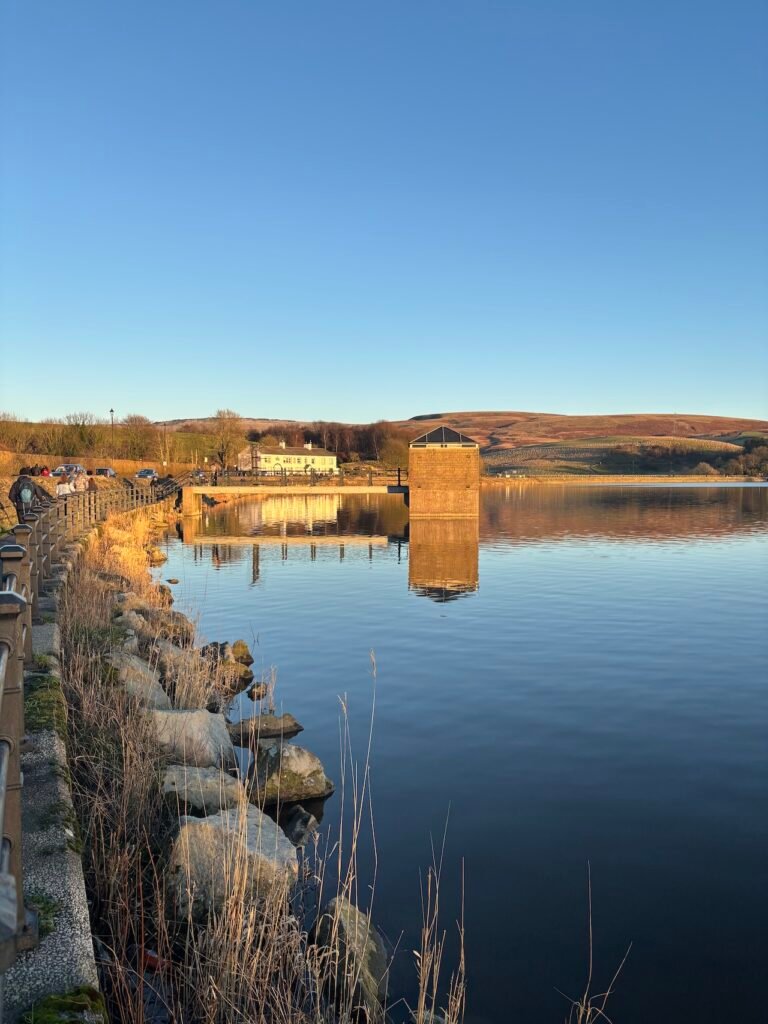
Hollingworth Lake from Rakewood Road at sunset.

Hollingworth Lake is a very popular destination for visitors to Rochdale. Today it attracts those who enjoy the outdoors. It offers opportunities for walkers (with or without dogs), sailing enthusiasts, horse riders, and ornithologists.

Whether alone or as part of a group, Hollingworth Lake offers a wonderful day-out experience. As such, it has proved popular for visitors of all ages since the 1860's.

Did you know though that it was not always known as Hollingworth Lake? Originally, it was called Hollingworth Lodge. This reflects that it was constructed as a means to store water for the Rochdale Canal and its many locks.

The term 'lodge' is hardly used today in this context, as it was commonly used to describe a small, man-made reservoir of water used mainly in the textile industry. Many mills would have a lodge close by to store water that was needed in the manufacturing process.


Other interesting facts about Hollingworth Lake

Fact 1:

The location meant that Hollingworth Lake presented several engineering problems for the engineers. Most reservoirs were constructed in valleys and involved creating a dam at one end to create the reservoir.

As a result, 3 embankments had to be created to keep the water in. Hollingworth Bank blocked the Ealees Valley, leading to Littleborough. Fens Bank ran along the north side. Shaw Moss Bank formed the lake's southern edge.

The Fens Bank, Hollingworth Lake

The Fens Bank, Hollingworth Lake

Fact 2:

It is just one of several reservoirs created in the area to service the Rochdale Canal.

  • Blackstone Edge Reservoir, 24 ha
  • Warland Reservoir, surface area of 27 ha.
  • While Holme Reservoir, 49 ha.
  • Hollingworth Lake, surface area of 53 ha.

Note: There are two other smaller reservoirs, the Light Hazzles Reservoir and the Higher Chelburn Reservoir, in the area. These are now being restructured due to their age and to minimise the risk of failure.

Fact 3:

There were several hotels built around the lake to cater for the upsurge in tourism during the Victorian era. Many of these hotels no longer exist, or their buildings have been repurposed.

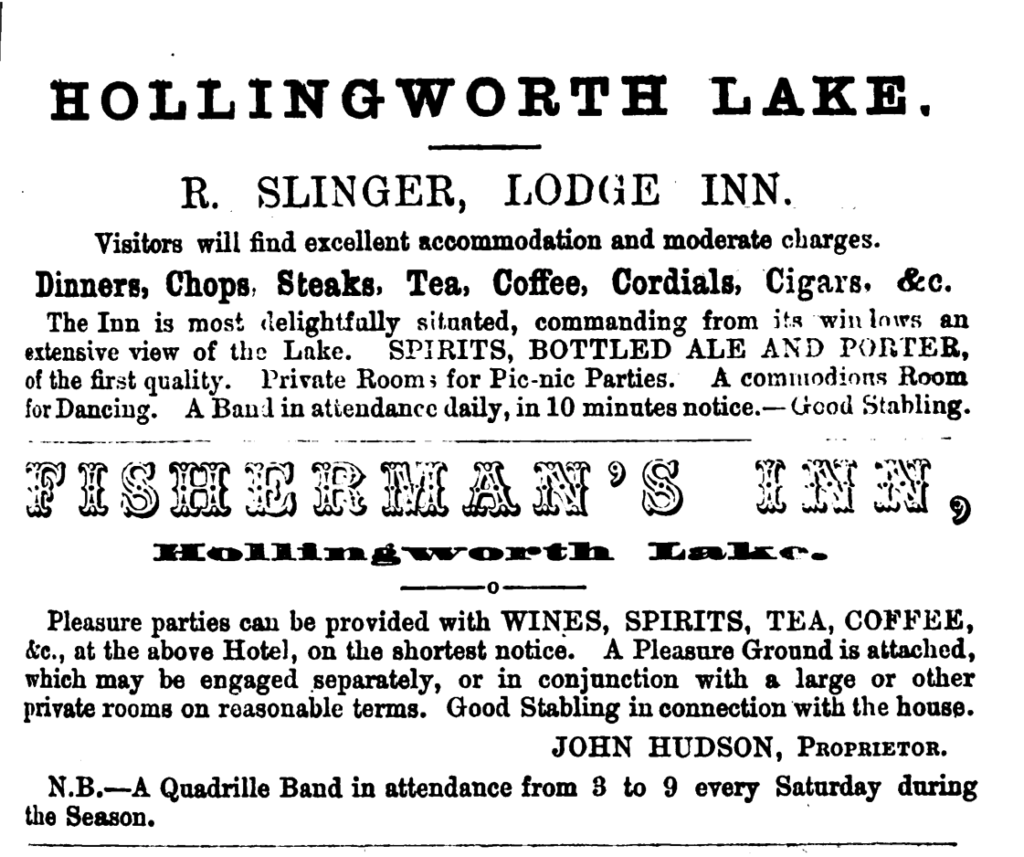
Lodge Inn advert

Hotels that existed in the Victorian era:

  • Beach Hotel (still exists)
  • Lancashire and Yorkshire Hotel (demolished)
  • Lake Hotel (no longer exists)
  • Lodge Inn (closed in 1917, now houses)
  • Mermaid Hotel (closed in 1911)
  • Queens Hotel, later known as Marlands Queens Hotel (now a farm again)
  • The Fisherman's Inn (now the Wine Press).

If you enjoyed this post, be sure to revisit, as there will be more posts develing into the history of Hollingworth Lake and the surrounding area.


Littleborough Family Hub

Littleborough Family Hub

Littleborough Family Hub: A Great Resource for Families

Littleborough Family Hub for families with children with special needs.

Key Takeaways:

  • The Littleborough Family Hub provides a wide range of services for families with children aged 0-19 or 0-25 for children and young people with special educational needs and disabilities (SEND).
  • They offer support through various activities and learning opportunities.
  • The Hub aims to help families with bonding and child development.

The Littleborough Family Hub is a fantastic resource for families in the area.

Here are some of the services they offer:

  • Antenatal and postnatal support: They have a range of activities and programs to support parents during pregnancy and after the birth of their child.
  • Baby and toddler groups: These provide an opportunity for children to socialise and learn through play, while parents can meet other parents and get support.
  • Parenting courses: They offer courses on a variety of topics, such as child development, behaviour management, and first aid.

A Typical Week at the Hub:

The Littleborough Family Hub is open throughout the week, offering different activities and support sessions. Here are some examples:

  • Tuesday:
    • Antenatal/postnatal clinics 9 a.m.–3.45 3.45pm.
    • Baby massage 10am – 11am

      A 6-week course. The session will support bonding, attachment, baby’s brain development, colic issues, and communication skills. Suitable for babies aged 0–8 months.

      Contact them to book onto the session.

  • Wednesday:
    • Play and learn 9.30am – 11.30am

      Join us for a fun session aimed at younger children to develop their speech, language, and support communication skills. Suitable for children aged 0–5 years.

    • Baby and me 1pm – 2pm

      A 6-week course. Enjoy playful activities with your baby, helping build a strong bond. Learn about how babies develop and the important part you play.

    • Christmas party 1pm – 2.30pm (Wednesday 18th December)

      Suitable for children 10 months plus old.

  • Thursday:
    • Baby sensations 10am – 11am

      Fun sensory session for babies. Suitable for babies aged 0–8 months.

    • Baby boogie beats 1pm – 1.45pm

      Come along and enjoy nursery rhymes and actions with your baby, supporting early communication skills. A session where you can meet other parents while bonding with your baby. For children aged 0–18 months old.

    • Christmas party 1pm – 2.30pm (Thursday 19th December)

      Suitable for children 0–10 months old.

    • Bump, birth and beyond 5.30pm – 8pm (twilight session)

      A four-week course delivered by the family hubs team, midwives, and health visitors for expectant families who are 28 weeks and over and live in the Rochdale borough.

  • Friday:
    • Multiple birth play and learn 10am – 11.30am (no session 20th December)

      Come along to this session for multiple birth families. Share your experiences and meet other families with multiple births.

Getting in Touch:

The Littleborough Family Hub is located at:

  • Littleborough Sports Centre, Calderbrook Road, Littleborough OL15 9JN
  • Telephone: 01706 378166
  • Email: familyhubs@rochdale.gov.uk

Summary:

Overall, the Littleborough Family Hub is a valuable resource for families in the local community. It provides a welcoming and supportive environment where families can access a range of services and support to help them thrive.

Visit Littleborough. 7 Reasons to do so soon.

Visit Littleborough. 7 Reasons to do so soon.

7 Reasons Why Littleborough Is the Perfect Pennine Escape

Visit Littleborough, which is nestled in the foothills of the South Pennines. it is a charming town with a lot to offer. It's the perfect blend of history, natural beauty, and outdoor adventure. But don't just take our word for it! Here are seven reasons why you should consider Littleborough for your next getaway.

1. Picture-Perfect Scenery

The Pennine hills provide a stunning backdrop to Littleborough. Imagine rolling hills, wild moorland, and tranquil waterways. It's the ideal place to escape the hustle and bustle of city life and reconnect with nature. Whether you fancy a leisurely stroll along the Rochdale Canal or a challenging hike across the moors, Littleborough has something for everyone.

Hollingworth Lake Magic

2. An Outdoor Enthusiast's Dream

If you love being active, Littleborough won't disappoint. There are miles of walking and cycling trails to explore. Why not try horse riding or even watersports on Hollingworth Lake? The lake is a popular spot for sailing, kayaking, and windsurfing. With so much to do, you'll never be bored in Littleborough.

3. A Journey Through Time

Littleborough has a rich and fascinating history. Evidence suggests people have lived in the area since the Neolithic period! That's over 4,000 years ago. Since then, Celts, Romans, Saxons, and Danes have all left their mark. You can even see some of the ancient artefacts discovered in the area, like flint tools and a Roman statue fragment.

4. A Textile Town

Littleborough has a strong connection to the textile industry. It began with handloom cloth workshops in people's homes. These later grew into large, mechanised mills during the Industrial Revolution. This heritage is still visible today in the town's architecture. Many of the old mill buildings have been repurposed and now house shops, restaurants, and apartments.

5. Visit Littleborough and its Charming Stone Buildings

Littleborough and the neighbouring village of Milnrow are known for their beautiful stone buildings. These historic structures give the area a unique character and charm. Littleborough town centre is a designated Conservation Area. This means special care is taken to preserve its historic appearance.

The Falcon Inn, Littleborough

6. Visit Littleborough for its Community Spirit and Traditions

The Pennine villages have a strong sense of community. They each have their own unique traditions and events. One of the most popular is Littleborough's annual rushbearing weekend. This traditional festival attracts visitors from far and wide. It involves decorating the town with rushes and holding a procession through the streets.

7. The Rochdale Canal and Hollingworth Lake

The Rochdale Canal is a major landmark in Littleborough. It was built in the early 19th century to transport goods between Manchester and Yorkshire. Today, it's a popular spot for leisure activities. You can enjoy a leisurely boat trip, go fishing, or simply relax by the water's edge. The canal is fed by Hollingworth Lake, a reservoir built in 1844. The lake is now the centrepiece of Hollingworth Lake Country Park. It offers a range of activities for all ages, including a playground, a visitor centre, and a miniature railway.

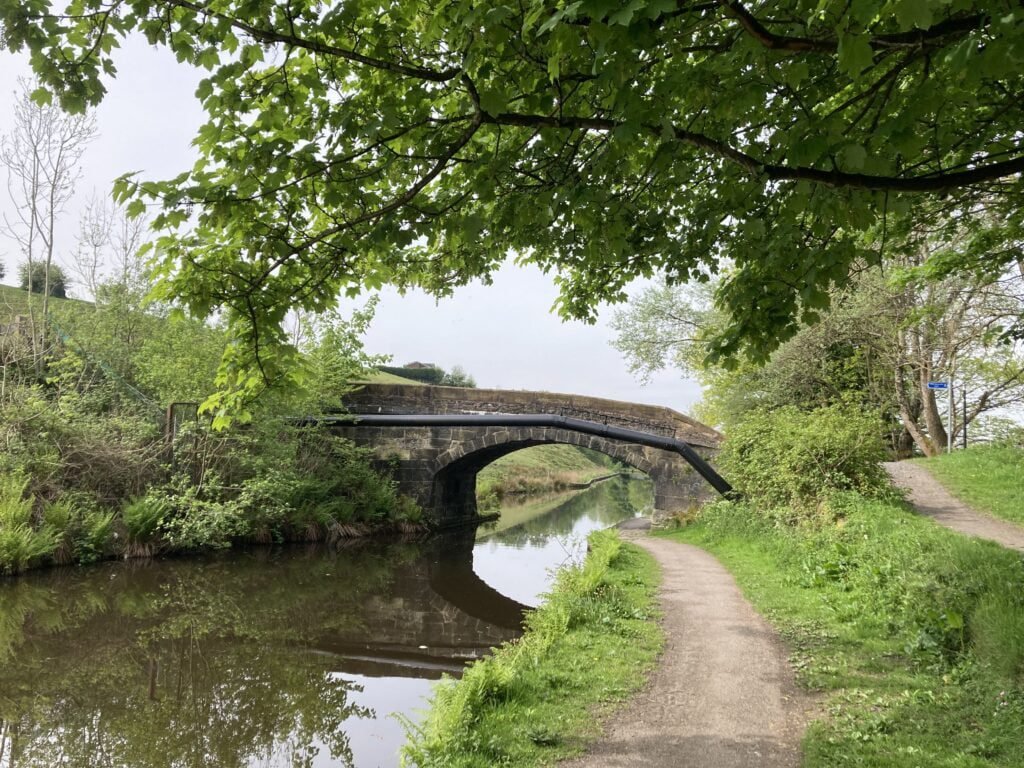
Rochdale Canal near Smithy Bridge. Visit Littleborough

Littleborough truly has it all: beautiful scenery, exciting activities, and a fascinating history. So why not come and explore this hidden gem for yourself? You won't be disappointed.

Hollingworth Lake Magic

Hollingworth Lake Magic

Hollingworth Lake magic: Nestled in the heart of Greater Manchester lies a treasure trove of history and natural beauty. Hollingworth Lake, a sparkling expanse of water near Littleborough, beckons visitors with its serene shores and rich heritage.

A Lake Born from Industry

Plan your perfect weekend getaway to Littleborough Lakeside - Hollingworth lake

The story of Hollingworth Lake begins not with nature, but with the ingenuity of man. In 1800, as the Industrial Revolution gripped Britain, engineers crafted this 130-acre reservoir.

Their goal? To feed the mighty Rochdale Canal, a waterway that would soon become the lifeblood of regional commerce. Learn more about the Industrial Revolution's impact on our region.

The lake's creation was no small feat. Three massive earth embankments - Hollingworth Bank, Fens Bank, and Shaw Moss Bank - were built to contain the waters. This engineering marvel set the stage for two centuries of transformation.

From Workhorse to Playground

As the 19th century progressed, Hollingworth Lake underwent a remarkable metamorphosis. The arrival of the railway in 1839 changed everything.

Suddenly, city dwellers from Manchester and Leeds could escape to this rural paradise. The lake, once a utilitarian reservoir, became a playground for the masses.

Enterprising locals seized the opportunity. Henry Newell, owner of Harehill Woollen Mills, introduced boating to the lake. This simple act sparked a leisure revolution.

Soon, Hollingworth Lake earned a charming moniker: "The Weighvers' Seaport". It was a tongue-in-cheek nod to the textile workers who flocked to its shores. Discover more about the lake's Victorian heyday.

A Victorian Wonderland

Picture the scene: steamers chugging across the water, rowing boats bobbing in their wake. On the shore, families picnic while couples stroll arm in arm.

The air is filled with laughter and the strains of music from impromptu dances. This was Hollingworth Lake in its Victorian prime.

Hotels sprang up to cater to the influx of visitors. The Beach Hotel, still standing today, promised "the comforts and attractions of a First-class Establishment".

Not to be outdone, the Lake Hotel boasted picturesque Swiss-style architecture and lovely Pleasure Gardens. Guests could arrive by carriage or take a delightful steamer trip across the water.

Innovation was in the air. An underwater telegraph cable connected the booking office to the hotel, ensuring seamless ferry service. It was the Victorian equivalent of a ride-hailing app!

A Hub of Entertainment

Hollingworth Lake was more than just pretty scenery. It was a hive of activity and entertainment.

Regattas drew crowds of spectators, while swimming contests tested the mettle of brave competitors. Even Captain Matthew Webb, the first person to swim the English Channel, trained in these waters.

Read about other famous visitors to Hollingworth Lake.

The shoreline buzzed with activity. Stalls and shops sold sweets, souvenirs, and snacks, creating a festive atmosphere reminiscent of a seaside resort.

In winter, the lake transformed once again. When temperatures plummeted, the surface froze solid. Ice skating became the activity du jour. Some winters even saw cricket matches played on skates!

A Time of Change

As the 20th century dawned, Hollingworth Lake's fortunes began to shift. The allure of more distant holiday destinations drew visitors away.

The First World War brought further changes. The lake area served as an army camp, hosting soldiers from the Manchester Regiment. Many of these brave men would later fall in the Dardanelles campaign.

In 1923, Hollingworth Lake and other reservoirs were sold to Oldham and Rochdale Corporations for water supply. The lake's days as a Victorian pleasure ground seemed to be over.

A New Lease on Life

But Hollingworth Lake's story was far from finished. After World War II, Rochdale Council acquired the boating rights. This marked the beginning of a new chapter.

In 1974, Hollingworth Lake Country Park officially opened. Once again, the lake became a destination for recreation and relaxation.

Today, the park spans 27.63 hectares of stunning landscape. It offers a perfect blend of history, nature, and modern amenities.

Explore the park's transformation over the years.

A Haven for Water Enthusiasts

Boats on Hollingworth Lake

Water sports enthusiasts flock to Hollingworth Lake. The calm waters provide ideal conditions for sailing, windsurfing, canoeing, and kayaking.

The Hollingworth Lake Water Activity Centre offers equipment hire and expert tuition. Whether you're a beginner or an old hand, there's something for everyone.

Power boating and rowing round out the aquatic offerings. The Hollingworth Lake Rowing Club, established in 1872, continues to nurture talent and passion for the sport.

On Dry Land

Not a fan of getting wet? No problem. A 2.5-mile circular trail encircles the lake, offering stunning views at every turn.

This well-maintained path is perfect for a leisurely stroll or a brisk walk. Along the way, you'll pass a nature reserve and bird hide. Keep your eyes peeled for local wildlife!

Families will appreciate the children's playground, while fitness enthusiasts can tackle the Woodland Enviro Gym. This unique trim trail adds an extra challenge to your lakeside workout.

Check out our guide to the best walking routes around Hollingworth Lake.

Hoolingworth Lake Magic: A Year-Round Destination

Each season brings its own magic to Hollingworth Lake. Spring sees wildflowers blooming along the shoreline, while summer brings long, lazy days perfect for picnics.

Autumn paints the surrounding trees in vibrant hues, creating a photographer's paradise. Winter, while chilly, offers crisp walks and the chance to spot migratory birds.

Discover the best activities for each season at Hollingworth Lake.

Getting There

Reaching Hollingworth Lake is a breeze. If you're driving, take junction 21 of the M62 motorway, then follow the A640 and B6225 roads. Three pay-and-display car parks await your arrival.

Prefer public transport? Hop on a train to Smithy Bridge or Littleborough stations. Both have links to Rochdale, Oldham, Manchester, and West Yorkshire.

Bus routes 452, 455, and 456 also serve the lake. Check Transport for Greater Manchester for up-to-date timetables and route information.

A Testament to Transformation

Hollingworth Lake stands as a testament to the power of transformation. From industrial reservoir to Victorian playground to modern country park, it has reinvented itself time and again.

Today, it offers a unique blend of history, natural beauty, and recreational opportunities. Whether you're seeking adventure on the water, a peaceful nature walk, or a glimpse into the past, Hollingworth Lake delivers.

So why not plan a visit? Come and discover this hidden gem in the heart of Greater Manchester. Who knows? You might just find yourself falling in love with the "Weighvers' Seaport".

Book your Hollingworth Lake adventure today!

Key Takeaways

As we wrap up our journey through the history and attractions of Hollingworth Lake, let's revisit the key points that make this destination truly special:

  1. Rich Industrial Heritage: Originally built in 1800 as a reservoir for the Rochdale Canal, Hollingworth Lake played a crucial role in the region's industrial development.
  2. Victorian Leisure Destination: Nicknamed "The Weighvers' Seaport", the lake transformed into a popular resort in the 19th century, offering escape and entertainment for city dwellers.
  3. Diverse Recreational Activities: Today, Hollingworth Lake Country Park offers a wide range of activities, from water sports to nature walks, catering to various interests and age groups.
  4. Natural Beauty: The 130-acre lake and surrounding parkland provide a scenic retreat, with opportunities for wildlife spotting and photography.
  5. Year-Round Appeal: Each season brings its own charm to Hollingworth Lake, making it a destination worth visiting throughout the year.
  6. Accessibility: Located near Littleborough in Greater Manchester, the lake is easily reachable by car or public transport, making it an ideal day trip destination.
  7. Historical Continuity: From its industrial beginnings to its current status as a country park, Hollingworth Lake showcases the ability to adapt and thrive through changing times.
  8. Community Hub: With its rowing club, water activity centre, and various events, the lake continues to be a focal point for community engagement and recreation.

Whether you're a history enthusiast, nature lover, sports aficionado, or simply looking for a peaceful day out, Hollingworth Lake offers something for everyone. Its journey from industrial reservoir to beloved country park is a testament to the enduring appeal of this Greater Manchester gem.

History of Hare Hill Park

History of Hare Hill Park

History

Hare Hill Park has an interesting history.

Key Takeaways:

  • Hare Hill Park, a traditional Victorian park in Littleborough, has a rich history intertwined with that of Hare Hill House.
  • Originally home to the Newall family, Hare Hill House later served as the Town Hall for Littleborough Urban District Council and offices for Rochdale Council.
  • The park boasts many Grade II listed features, including a bandstand and a water wheel.

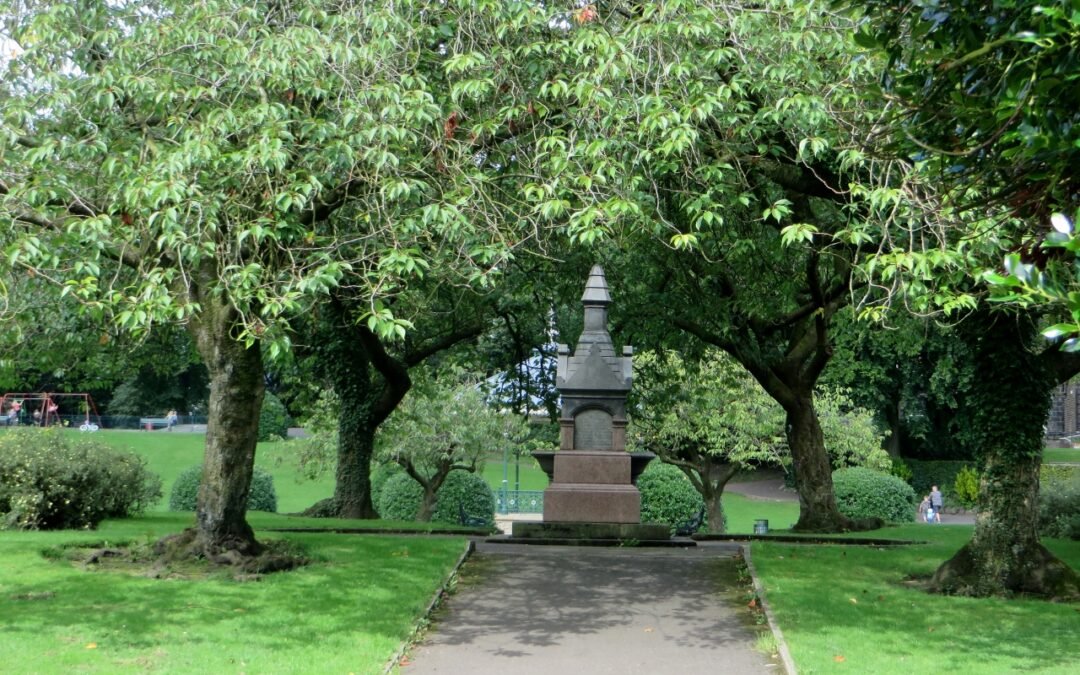
The park is in Littleborough, Greater Manchester is a traditional Victorian park. It boasts many original features and offers a variety of leisure facilities. The park sits "snugly" in the heart of the Littleborough community. The history of the park is intertwined with Hare Hill House, which can be found within the park grounds.

Hare Hill House, Littleborough Kevin-Waterhouse. Industrial Revolution in Littleborough

The Newall Family

Hare Hill House was built by the Newall Family in 1775. This prominent local family occupied the house for four generations, until 1900. The Newalls played a significant role in Littleborough’s development, contributing to its growth as a thriving Pennine town for 14 generations. In 1900, the Newall family beneficiaries sold Hare Hill House and its grounds to Littleborough Urban District Council (UDC).

A New Era for Hare Hill House

Initially, the UDC paid the Newall family £323.19s.8d annually for the property. However, in 1901, Hare Hill House became the home of the UDC. This marked the beginning of the house's transformation into a centre for local government and community services.

Littleborough Library

In 1903, Littleborough Library was added to Hare Hill House. This was made possible thanks to a generous gift of £2,600 from Andrew Carnegie. The library continues to operate in the building today, situated at 27 Town House Road, Littleborough OL15 9BG. You can find more information about the library on the Rochdale Borough Council website.

The Impact of World War Two

During World War Two, Hare Hill House served a vital purpose. The house’s cellar was used as an air raid shelter for officers. Remarkably, an original air filter from 1939 still remains in the cellar. Volunteers discovered that the only other surviving air filter of its kind is housed in the Imperial War Museum.

Local Government Reorganisation

In 1974, local government reorganisation led to the dissolution of the UDC. Consequently, Hare Hill House and the park were transferred to Rochdale Council. Rochdale Council continued to use the house until 2010.

The MoorEnd Development Trust

After lying vacant for three years, Hare Hill House was taken over by the MoorEnd Development Trust in 2013. This local charity aimed to create a Community Art and Enterprise centre. Their vision was to provide a much-needed community heritage asset for the people of Littleborough.

The Hare Hill Heroes

The MoorEnd Development Trust, with its project champion Nick Andrews, have worked tirelessly to refurbish the building. A group of dedicated volunteers, known as the Hare Hill Heroes, have played a crucial role in this restoration. Thanks to their efforts, many original features have been uncovered, including a centuries-old fresco and original hearth tiles.

A Creative Community Hub

Today, Hare Hill House is a vibrant community hub. Part of the house is occupied by small businesses. These include an accountant, surveyor, councillors, an IT company, artists, and crafters. Additionally, a wide range of community groups meet at the house on a weekly basis. There is also a quarterly artisan market each season. Hare Hill House truly embodies the spirit of community and collaboration.

Hare Hill Park Today

Hare Hill Park is a popular destination for locals and visitors alike. It is a Green Flag park with many Grade II listed features. Visitors can enjoy a range of facilities, including:

  • Formal gardens
  • Play areas
  • A skateboard park
  • Bowling greens
  • A bandstand
  • A listed water wheel

The park also offers stunning views over the surrounding hills.

Friends of Hare Hill Park

The Friends of Hare Hill Park are a dedicated group who work hard to maintain the park's beauty and heritage. They have successfully secured over £250,000 for restoration projects, allowing visitors to appreciate the park's original features. Their efforts ensure that the park remains a treasured green space for generations to come.

FAQs

1. What are the opening times?

Hare Hill Park is open 24 hours a day, 7 days a week.

2. Is there parking available nearby?

Yes, there is free onsite parking at Hare Hill Park. The car park is located off Hare Hill Road by the bowling green.

3. Are there accessible facilities at the park?

Yes, it has a range of accessible facilities. More information about accessibility can be found on the Rochdale Borough Council website.

4. How can I get involved with the Friends of Hare Hill Park?

You can contact the Friends of Hare Hill Park through their Facebook page, which provides information about volunteering opportunities and ways to support the park.

How did the Falcon Inn contribute to Littleborough’s history?

How did the Falcon Inn contribute to Littleborough’s history?

The Falcon Inn: A Historic Gem in Littleborough

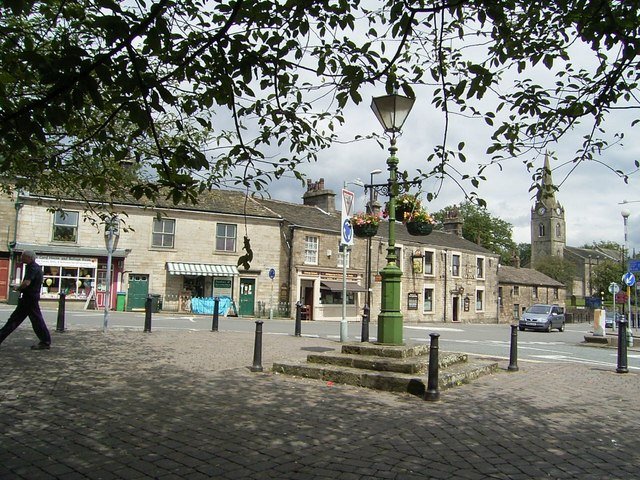
The Falcon Inn, Littleborough

Step into the heart of Littleborough and you'll find a true treasure: The Falcon Inn. This Grade II listed pub has been a cornerstone of the community since 1657. With its timber-framed structure and centuries-old charm, it's a living testament to the town's rich history.

A Storied Past

The Falcon Inn's history is as rich as a pint of real ale. Once stretching to the River Roch, it's witnessed Littleborough's transformation from sleepy village to bustling industrial hub. Over the years, it's worn many hats - functioning as an inn, a farm, and even a coaching inn for weary travellers.

Imagine the scenes in the early 19th century! The square behind the inn hosted raucous cow and sheep fairs, drawing crowds from far and wide. Farmers haggled over livestock, while locals and visitors alike sought refreshment within The Falcon's welcoming walls.

During the Industrial Revolution, Littleborough became a key trading centre. The textile industry boomed, fuelled by the River Roch and the newly constructed Rochdale Canal and Manchester to Leeds railway. The Falcon Inn stood witness to it all, serving countless traders and travellers passing through the town.

A Phoenix Rising

Today, The Falcon Inn is spreading its wings anew. A major renovation project is underway, promising to restore this historic pub to its former glory. The refurbishment is no small feat - it encompasses both the interior and exterior, aiming to transform The Falcon into a leading community pub.

The makeover includes a remodelled bar, designed to be both functional and atmospheric. An enhanced sports area will cater to enthusiasts, while the exterior will receive a facelift with new signage and lighting to boost its kerb appeal.

Multiple zones will cater to diverse patrons, from quiet pint-sippers to boisterous sports fans. The renovation plans suggest a focus on creating a vibrant and inviting atmosphere that appeals to a wide range of customer demographics.

What's on Tap?

The Falcon Inn has always been known for its cosy atmosphere and friendly staff. Visitors can expect a cracking selection of beers at prices that won't break the bank. While real ale might not be on offer at present, the pub's commitment to quality beverages remains unwavering.

For entertainment, take your pick:

  • Catch live sports on Sky & BT - perfect for those nail-biting match days
  • Challenge mates to a game of pool, darts, or dominoes - nothing beats a bit of friendly competition
  • Join in regular quizzes and charity events - flex your brain muscles or support a good cause

The pub is set to become a hub of activity, with plans for live entertainment to keep the atmosphere lively and patrons coming back for more.

Location, Location, Location

Nestled on Church Street in the heart of Littleborough, The Falcon Inn is a stone's throw from public transport links. It's the perfect pit stop for locals and travellers alike. Whether you're exploring the town's heritage or just passing through, The Falcon offers a warm welcome and a taste of local history.

Its central location makes it an ideal meeting point for friends and family. After a day of shopping or exploring the nearby Pennine hills, what could be better than a refreshing pint at this historic establishment?

A Community Hub

The Falcon Inn isn't just a pub – it's a living, breathing part of Littleborough's history. With its renovation, it's set to become a leading community venue. The pub has always been a place where locals gather to share news, celebrate milestones, and forge lasting friendships.

Looking ahead, The Falcon Inn aims to strengthen its community ties even further. Plans are afoot for charity fundraisers, local artist showcases, and community meetings. It's not just about preserving history, but about creating new memories for generations to come.

The Future of The Falcon

As The Falcon Inn undergoes its transformation, it stands poised to blend the best of its historic charm with modern amenities. The renovation respects the building's Grade II listed status while ensuring it meets the needs of today's pub-goers.

The team behind The Falcon is committed to preserving its unique character while enhancing its offerings. From the carefully selected beverages to the thoughtfully designed spaces, every aspect of the pub is being considered with both tradition and innovation in mind.

So, next time you're in Littleborough, why not pop in for a pint? You'll be raising a glass to over 350 years of history! Whether you're a history buff, a sports fan, or simply in search of a good time, The Falcon Inn promises an experience that's as memorable as it is enjoyable.

As this beloved pub enters its next chapter, it invites you to be part of its ongoing story. After all, what's a pub without its patrons? Here's to The Falcon Inn - may it continue to soar for centuries to come!

For more information about local events and attractions, check out our What's On guide.

The Industrial Revolution in Littleborough

The Industrial Revolution in Littleborough

The Industrial Revolution in Littleborough: A Tale of Growth and Change

Littleborough, a small town in Greater Manchester, underwent significant transformation during the Industrial Revolution. This period of rapid change reshaped the town's landscape, economy, and society. Let's explore how Littleborough developed during this crucial era.

Transportation Revolution

The Industrial Revolution brought major improvements to Littleborough's transport links. Firstly, the Rochdale Canal was completed in 1804[1]. This waterway was crucial for moving goods and materials. Secondly, the Manchester to Leeds Railway arrived in 1839[2]. The railway station opened that year, connecting Littleborough to major cities.

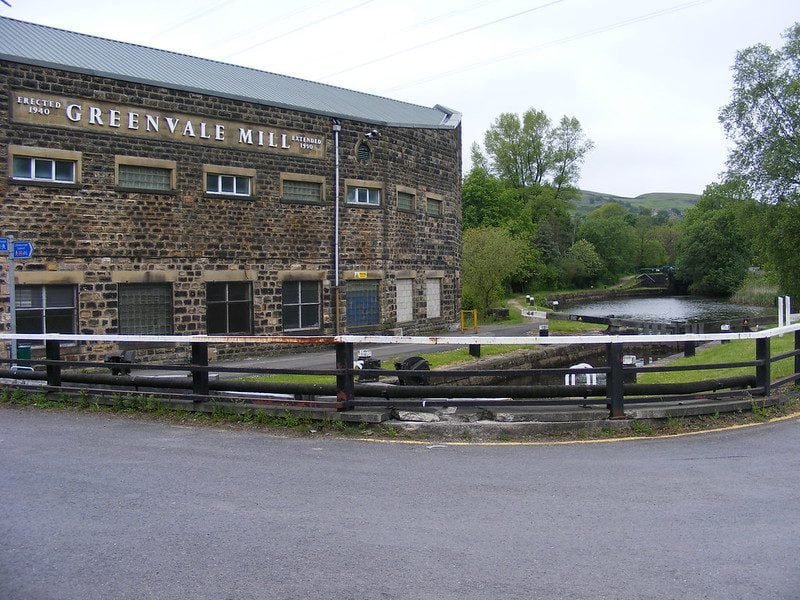
Rochdale Canal view towards Blackstone Edge. Industrial Revolution in Littleborough

These new transport routes were vital for the town's growth. They made it easier to bring in raw materials. Also, they helped send out finished products. As a result, Littleborough became a hub of industrial activity.

Textile Industry Boom

Durung the Industrial Revolution in Littleborough, its textile industry expanded dramatically. Before, the town was known for woollen weaving[1]. However, this changed with the arrival of new technology. The focus shifted from wool to cotton production.

Many cotton mills were built in Littleborough. These mills used machines to produce textiles on a large scale. Consequently, the town's economy grew rapidly. Many workers moved to Littleborough for jobs in these new mills.

Diversification of Industry

While textiles dominated, Littleborough's industrial base became more diverse. Coal mining became an important industry[3]. Several coal pits opened in the area. Additionally, engineering firms set up in the town. Stone quarrying and brick-making also contributed to the local economy.

This diversity made Littleborough's economy more resilient. It wasn't reliant on just one industry. As a result, the town continued to grow and prosper.

Population Growth and Urban Development

The industrial boom led to significant urban growth in Littleborough. Many workers moved to the town for jobs. Consequently, the population increased rapidly. New homes were built to house these workers and their families.

The town centre expanded during this time. Many new stone buildings were constructed. These buildings gave Littleborough its distinctive character. Some of these structures still stand today, reminding us of this period of growth.

Hare Hill House, Littleborough Kevin-Waterhouse. Industrial Revolution in Littleborough

Social and Civic Development

The Industrial Revolution brought about social changes in Littleborough. New institutions were formed to support the growing community. For instance, the Co-op Society of Industry was established in 1850[2]. This organisation helped workers access affordable goods.

Moreover, the Littleborough Society opened for business in 1851[2]. This society played a crucial role in the town's development. It provided financial services to local people and businesses.

Recreational Developments

Despite the focus on industry, leisure activities weren't forgotten. Hollingworth Lake became a popular recreational area[1]. Originally built as a reservoir for the canal, it turned into a local attraction. By the mid-19th century, it was known as the "Weighvers' Seaport"[1].

Hollingworth Lake in Littleborough Lakeside. Industrial Revolution in Littleborough. © Steven Dale 2023

The lake provided a welcome escape for mill workers. It offered boating, fishing, and other outdoor activities. This development shows how industrial growth also led to new leisure opportunities.

Local Governance

As Littleborough grew, it gained more administrative independence. In 1894, the Littleborough Urban District was established[3]. This meant the town had its own district council. The council could make decisions about local issues. This change reflected Littleborough's growing importance as an industrial centre.

Challenges and Changes

The Industrial Revolution wasn't without challenges for Littleborough. Working conditions in the mills were often harsh. Pollution from factories and coal mines affected the environment. However, these issues were common to many industrial towns of the era.

Despite these challenges, the Industrial Revolution transformed Littleborough. It changed from a small hamlet into a thriving mill town. This period laid the foundation for the town we see today.

Conclusion

The Industrial Revolution had a profound impact on Littleborough. It brought new industries, improved transport links, and population growth. The town's landscape changed with the building of mills, homes, and civic buildings. New social institutions emerged to support the growing community.

Today, Littleborough's industrial heritage is still visible. The stone buildings, former mills, and canal remind us of this important period. The town's development during the Industrial Revolution shaped its character for generations to come.

Littleborough's story is a microcosm of the broader Industrial Revolution. It shows how technological changes can transform a small town. The legacy of this period continues to influence Littleborough today.

References

  1. Lancashire OnLine Parish Clerk. (n.d.). District Home - Lancashire OnLine Parish Clerk. Retrieved from https://www.lan-opc.org.uk/Rochdale/Littleborough/home.html
  2. Manchester History. (n.d.). Littleborough. Retrieved from https://manchesterhistory.net/rochdale/COMMUNITIES/littleborough.html
  3. Wikipedia. (n.d.). Littleborough, Greater Manchester. Retrieved from https://en.wikipedia.org/wiki/Littleborough,_Greater_Manchester

Citations: [1] https://www.lan-opc.org.uk/Rochdale/Littleborough/home.html [2] https://manchesterhistory.net/rochdale/COMMUNITIES/littleborough.html [3] https://en.wikipedia.org/wiki/Littleborough,_Greater_Manchester [4] https://kids.kiddle.co/Littleborough,_Greater_Manchester [5] https://clogsandclippers.blogspot.com/2019/03/littleborough-in-lancashire.html [6] https://russellhomes.co.uk/news/little-histories-of-littleborough [7] https://www.rochdaleonline.co.uk/news-features/33/littleborough-news/46214/focus-on-littleborough-a-place-that-hasn%E2%80%99t-changed [8] https://www.littleboroughshistory.org